CarMizer Automotive Intelligence Get Advice →

Category: Trucks

  • 2023 Jeep Wrangler Willys: Clutch Problems & Death Wobble

    🟡 2023 Jeep Wrangler Willys Review: Clutch Recall & Death Wobble Watchpoints

    Off-Road SUV Review

    2023 Jeep Wrangler Unlimited Willys (3.6L Pentastar V6 / 2.0L Turbo, JL 4-Door)

    A mechanical teardown of the Willys trim — genuine trail hardware at a Rubicon-adjacent price, balanced against a real fire-risk recall on manual models and a set of wear items every buyer should inspect before signing.

    Overall Rating
    🟡 YELLOW LIGHT (Verify Recall Status — Severity Depends Heavily on Transmission Choice)

    Mechanic Score
    6.5 / 10

    Serviceability
    7.2 / 10


    Best For: Buyers who want factory trail hardware without paying Rubicon prices, and who are willing to run a VIN recall check and a pre-purchase inspection before buying. Automatic (850RE) models carry only routine wear-item risk. Manual models carry a documented fire-risk recall on top of that — confirm it’s been completed before you commit.

    💵 Pricing & Value Guidance

    Target Price
    $31,000 – $38,500

    Sweet Spot Mileage
    20k – 40k Miles

    Power Range
    270 hp (2.0T) – 285 hp (3.6L)

    The Carmizer Sweet Spot: Willys sits below Rubicon but gets most of its off-road hardware: Rubicon rock rails, a Trac-Lok rear differential, and 33-inch mud-terrain tires standard. Strong resale and unmatched aftermarket support are real strengths here. The tradeoff is powertrain complexity: two engines, three transmission pairings, and a recall history that only affects some of them. Confirm the exact build before you shop by price alone.

    Key Specifications

    Engine (Standard)
    3.6L Pentastar V6 — 285 hp

    Engine (Optional)
    2.0L Turbo Hurricane I4 — 270 hp

    Transmission
    6-Speed Manual (3.6L only) or 850RE 8-Speed Automatic

    Drivetrain
    Command-Trac 4WD, Trac-Lok Rear Diff, Dana 44 Rear Axle

    Deep Mechanical Breakdown & Shop Floor Reality

    The JL-generation Wrangler dates back to 2018, so a 2023 model sits on a mature platform, not a first-year unknown. Engine choice matters more than usual here. The 3.6L Pentastar V6 has the longer, better-proven track record across the FCA/Stellantis lineup. The 2.0L Turbo Hurricane is the more refined version of an engine that had real teething problems in 2018–2019, with owner sentiment on 2022–2023 units split between “trouble-free at 100k+ miles” and persistent complaints about oil consumption and coolant leaks.

    • 3.6L Pentastar V6 (Standard): Proven engine, long production history. Its one recurring weakness is a plastic oil filter housing that cracks with age, not the core engine.
    • 2.0L Turbo Hurricane (Optional): Strong low-end torque and better fuel economy. Monitor oil level between changes and watch for coolant residue near the turbo.
    • 850RE 8-Speed Automatic: Well-regarded shift quality. Not the same transmission as the diesel or 392’s ZF 8HP75 — a distinction worth knowing since the two get confused often, including in some published spec sheets.

    🔧 Mechanic’s Shop Floor Notes

    Death Wobble Is a Solid-Axle Trait, Not a Defect Story: Every solid front axle Jeep can develop it. The track bar bushing is the #1 culprit, followed by ball joints and the steering damper. It’s an inspection item, not a reason to walk away on its own.

    The Recall Picture Is Better Than the Headline Count Suggests: The 2023 Wrangler shows 12 total NHTSA campaigns, but most belong to the 4xe plug-in hybrid’s high-voltage battery and the 3.0L diesel’s fuel pump — neither applies to this 3.6L/2.0L gas Willys. Real exposure here is narrower than the raw number implies.

    ESS Aux Battery Failures Are a Known Annoyance, Not a Structural Defect: A hidden second battery runs Stop/Start. When it degrades, it strands owners with no warning. Cheap to fix, worth checking before buying.

    📋 Factory Recalls, TSBs & Known Bulletins

    1. NHTSA 23V-116 — Clutch Pressure Plate Fire Risk (Manual Transmission Only):

    Manual-transmission Wranglers and Gladiators built through February 2023 may overheat and fracture the clutch pressure plate. NHTSA’s filing confirms this as a fire risk, with debris/crash risk noted and one injury reported. 69,201 units affected. The remedy is a full clutch assembly replacement plus a software update; remedies became available in phases from late 2023 into early 2024 by model year. Does not apply to automatic (850RE) models.
    2. NHTSA 24V-199 — Steering Column Control Module Weld (Airbag Non-Deployment):

    Applies to 2023–2024 Wrangler and Gladiator broadly, regardless of engine. An insufficient internal weld in the steering column control module may prevent the driver airbag deployment signal from reaching the airbag. Dealers inspect and replace the module free of charge. Worth a VIN check even though it falls outside our standard severe-recall categories — airbag non-deployment is serious enough to verify regardless.
    3. Minor Platform Recalls (Backup Camera / Brake Light Wiring):

    Several smaller campaigns (23V-641, 23V-565, 24V-676, 24V-652) cover wiring harness short circuits affecting the rearview camera image or center brake/reverse lights on various 2023 Wranglers. Low unit counts, easy dealer fix, not a purchase-blocking concern — just confirm via VIN.
    4. Not Applicable to This Build:

    22V-865, 22V-768, 23V-303, and 23V-787 all concern the 4xe plug-in hybrid’s high-voltage battery and engine shutdown software — not relevant to a 3.6L or 2.0L gas Willys. 23V-263 covers the 3.0L EcoDiesel fuel pump — also not applicable here. Worth knowing so you don’t over-discount a gas Willys for a hybrid-only problem.
    5. TSB 21-009-25 — 850RE “D-Clutch” Internal Failure (Automatic Models):

    A documented internal clutch pack defect in 850RE-equipped 2020–2025 JL Wranglers, triggering codes P0733-00, P1DA8-00, or P1D92-00 alongside symptoms like no-reverse, slipping shifts, or being stuck in third gear. This is a dealer-issued technical bulletin, not a recall — it won’t show up on a VIN recall check, so ask directly about transmission service history if buying an automatic.

    Worth Noting: A “12 recalls” headline count sounds alarming until you see that most don’t apply to this specific engine and transmission combination. Real exposure comes down to two things: whether it’s a manual (fire recall) and whether the steering column module has been inspected (all trims).

    Stoplight Reliability & Watchpoint System

    🟢 GREEN LIGHT (Low Risk Systems)
    • 3.6L Pentastar V6: Proven engine with a long track record beyond this Wrangler generation.
    • 850RE 8-Speed Automatic: Smooth, well-regarded shift quality; not subject to the clutch fire recall.
    • Factory Willys Off-Road Package: Trac-Lok rear diff, Dana 44 axle, rock rails, and 33-inch tires standard.

    🟡 YELLOW LIGHT (Inspect Before Buying)
    • Death Wobble Risk: Check track bar bushings, ball joints, and tie rod ends with the front axle lifted.
    • Door/Hood Paint Bubbling: 2023 uses the improved zinc-shim hinge, lowering risk versus 2018–2021. Corrosion warranty coverage can vary by dealer.
    • 3.6L Oil Filter Housing Leak: Plastic housing cracks from heat cycling; often misread as a rear main seal leak.
    • 2.0L Oil Consumption & Coolant Leaks: Check oil top-off history and inspect for coolant residue near the turbo.
    • ESS Aux Battery No-Start: Load-test both batteries, not just the visible one.
    • 850RE “D-Clutch” Wear (TSB 21-009-25): On automatics, ask about transmission service history; watch for slipping, no-reverse, or stuck-in-third symptoms.

    🔴 RED LIGHT (Critical Pre-Purchase Watchpoints)
    • Unconfirmed Clutch Fire Recall (Manual Models): Do not accept “remedy pending” — verify 23V-116 is fully completed by VIN before purchase.
    • Unconfirmed Steering Column Module Inspection: Verify 24V-199 has been checked, regardless of engine or transmission.

    OBD-II Diagnostic Targets

    DTC Code / Symptom Circuit / Component Potential Cause Inspection Fix
    P06DA Dual Stage Oil Pump Circuit (3.6L) Oil pressure solenoid harness failure inside the pan. Inspect harness connector before assuming pump replacement.
    P0300 / P0306 Cylinder 6 Misfire (3.6L) Oil pooling in spark plug wells from a cracked oil filter housing. Check for oil in the plug wells before diagnosing coils or plugs.
    P0733-00 / P1DA8-00 / P1D92-00 850RE Transmission (Automatic) Internal “D-clutch” wear per TSB 21-009-25. Confirm at least 7,000 miles and MIL illumination before requesting the TSB repair.
    U0140 Lost Communication With Body Control Module Voltage drops as the ESS auxiliary battery begins to fail. Load-test both batteries before replacing modules.

    💸 Repair & Maintenance Costs

    • Full Synthetic Oil Service: $80 – $110
    • Oil Filter Housing Replacement (3.6L): $250 – $500
    • Front & Rear Differential Fluid Service: $150 – $230
    • Track Bar / Steering Damper Replacement: $150 – $350

    🔍 Pre-Purchase Checklist

    1. Check the VIN at NHTSA.gov for 23V-116 and 24V-199 completion status.
    2. Lift the front axle and check for play at the track bar bushing, ball joints, and tie rod ends.
    3. Inspect all door, hood, and tailgate hinges closely for paint bubbling.
    4. On automatics, ask for transmission service records and watch for delayed reverse engagement.
    5. On 2.0L Turbo models, check oil level history and look for coolant residue near the turbo.

    📌 The Carmizer Bottom Line

    The 2023 Wrangler Willys earns a Yellow Light, and the split is real: automatic models carry only routine wear-item risk, while manual models add a documented fire-risk recall on top. The headline “12 recalls” number is misleading — most belong to the 4xe hybrid and diesel, not this build. Verify 23V-116 and 24V-199 by VIN, inspect the front suspension for death wobble precursors, and check hinges for corrosion. Do that, and this remains a genuinely capable trail rig at a fair price for what it includes.
  • 2024 GMC Sierra Elevation 2.7L TurboMax: Reliability & Problems

    🟢 2024 GMC Sierra 1500 Elevation 4WD Review: 2.7L TurboMax L3B Engine Analysis, 8L80 Transmission Reliability, Autotrac 4WD & Heavy-Duty Block Architecture.

    Full-Size Truck Teardowns

    2024 GMC Sierra 1500 Elevation (2.7L TurboMax Inline-4 / 8-Speed Auto / 4WD)

    A comprehensive mechanical teardown of GM’s boosted half-ton platform, evaluating the heavily reinforced L3B TurboMax block, dual-volute turbocharger efficiency, Active Thermal Management system watchpoints, and the reality of putting a four-cylinder in a 5,000-pound truck.

    Overall Rating
    🟢 GREEN LIGHT (Massive Low-End Torque, Requires Diligent Cooling & Oil Care)

    Mechanic Score
    8.4 / 10


    Best For: Daily drivers and moderate towers who want V8-level torque (430 lb-ft) without the V8 fuel penalty, and buyers willing to accept the unconventional sound of a high-output four-cylinder in a full-size rig.

    💵 Pricing & Value Guidance

    Original MSRP (2024 Elevation 4WD)
    $56,500 – $59,200

    Target Pre-Owned Range
    $44,000 – $48,500

    Factory Warranty Coverage
    5-Yr / 100k Powertrain (TurboMax spec)

    The Carmizer Sweet Spot: The 2024 GMC Sierra 1500 Elevation hits the aesthetic bullseye with its color-matched bumpers and 20-inch black gloss wheels. By sticking with the 2.7L TurboMax over the 5.3L V8, you save roughly $1,500 upfront, get an extended 100k powertrain warranty specifically backing this engine, and actually gain more low-end torque for city driving and boat towing. It’s the smart mechanic’s choice for a modern half-ton.

    Key Specifications

    Engine
    2.7L L3B “TurboMax” Direct-Injection Inline-4

    Output & Efficiency
    310 hp @ 5,600 RPM | 430 lb-ft @ 3,000 RPM (18 City / 20 Hwy)

    Transmission & Drivetrain
    8L80 8-Speed Automatic | Autotrac 2-Speed Transfer Case 4WD

    Chassis & Towing
    T1XX Platform | Up to 9,200 lbs Max Towing

    Deep Mechanical Breakdown & Shop Floor Reality

    Forget what you know about old four-cylinders. The L3B TurboMax was designed specifically as a truck engine from day one. It utilizes a fully forged steel bottom end, a stiffened aluminum block with cast-iron cylinder liners, and a diesel-like stroke length to generate its massive 430 lb-ft of torque. GM over-engineered the internal structure to handle high cylinder pressures, making it arguably more durable in heavy-load scenarios than the older 5.3L V8 architecture.

    • Dual-Volute Turbocharger: Unlike a standard twin-scroll, this design completely separates the exhaust pulses from cylinders 1-4 and 2-3 all the way to the turbine wheel. This nearly eliminates turbo lag, building peak torque by a shockingly low 1,500 RPM.
    • Active Thermal Management: Replaces the traditional thermostat with a multi-port rotary valve driven by an electric motor. It precisely directs coolant to the block, head, or heater core independently, achieving optimal operating temps much faster to reduce cold-start engine wear.
    • Fully Forged Internals: Features a forged steel crankshaft, forged connecting rods, and a fully rigid lower bedplate. It’s built like a diesel engine block to handle up to 22 psi of boost.

    🔧 Mechanic’s Shop Floor Notes (Serviceability Rating: 8.4/10)

    Direct Injection Carbon Buildup: Unlike some rivals, this is purely Direct Injected (no port injection). While GM’s PCV system is good, long-term owners should consider a high-quality catch can to prevent intake valve coking past 80,000 miles.

    8L80 Transmission Fluid: The 8-speed auto had a notorious reputation in older GM trucks for shuddering. By 2024, the hardware and Mobil 1 LV ATF HP fluid updates have largely solved this, but you MUST do a strict drain and fill every 45,000 miles if you tow.

    Oil Requirements: Requires 6 quarts of dexos1 Gen 3 5W-30. Do not cheap out on oil; the turbocharger bearings rely on clean, high-shear-resistant synthetic to survive heat soak after hard highway pulls.

    📋 Factory Recalls, TSBs & Known Bulletins

    1. Fuel Injector Flow Rate ECM Fix (GM Service Update N242452130, 2023–2024 Sierra 1500 L3B):

    Issue: The Engine Control Module on certain 2023–2024 GMC Sierra 1500 trucks with the 2.7L L3B was incorrectly programmed, which can cause an improper fuel flow rate under certain driving conditions.

    Fix: Free ECM reprogram at any GMC dealer through March 31, 2040 — check by VIN even if the truck hasn’t shown symptoms.
    2. Active Thermal Management Valve Sticking (Known L3B Platform Issue):

    Issue: The electric coolant flow control valve can stick internally, preventing coolant from reaching the radiator. Often sets a check engine light or causes sudden temperature gauge spikes.

    Fix: Dealer replacement of the coolant control valve assembly and reprogramming of the ECM module. Covered under the 5-yr/100k powertrain warranty.
    3. Infotainment OTA Updates (TSB / Software):

    Issue: The 13.4-inch Google built-in infotainment screen can occasionally go black upon startup or drop wireless Apple CarPlay/Android Auto connections.

    Fix: Ongoing Over-The-Air (OTA) software updates. Hard reset (holding the end call button) temporarily resolves freezing.
    4. Roof Panel Splitting (Field Action on specific T1XX cabs):

    Issue: On some 2023/2024 trucks, a manufacturing defect on the passenger side roof joint can cause the seam to split, leading to water intrusion in the cabin.

    Fix: Dealer inspection and application of specific structural adhesives/sealants under warranty.

    Worth Noting: The high-profile 6.2L L87 V8 connecting rod/crankshaft recall (NHTSA campaign 25V-274) explicitly excludes the 2.7L L3B TurboMax — GM confirmed this by name. A separate 2023-model-year-only cracked block Customer Satisfaction Program also does not apply here: it covered roughly a dozen vehicles nationally and does not extend to 2024 production.

    Stoplight Reliability & Watchpoint System

    🟢 GREEN LIGHT (Low Risk Systems)
    • Engine Block Integrity: The cast-iron liners, forged bottom end, and rigid bedplate make the physical engine block nearly bulletproof.
    • Autotrac 4WD Transfer Case: Proven two-speed transfer case system with excellent durability when fluid is changed on schedule.
    • Timing Chain System: Heavy-duty inverted tooth chain design has proven far more robust than older GM V6/V8 setups.

    🟡 YELLOW LIGHT (Moderate Maintenance Risk)
    • 8L80 8-Speed Automatic: Greatly improved for 2024, but torque converter clutch shudder is still a historic weak point. Strict fluid maintenance is non-negotiable.
    • Direct Injection Valves: Lacks port injection cleaning; expect to need a mechanical walnut blast cleaning of the intake valves around 80k-100k miles.
    • Turbo Wastegate Linkage: Exposed to extreme heat and elements; linkage can rattle or bind over high mileage.

    🔴 RED LIGHT (Critical Pre-Purchase Watchpoints)
    • Coolant Control Valve Failure: The complex electronic thermal management unit is the Achilles’ heel of this powertrain. If it fails closed, rapid overheating will occur.
    • Roof Seam Welds: Inspect passenger and driver side roof ditch moldings meticulously for cracking sealant or water stains on the headliner.

    OBD-II Diagnostic Targets

    DTC Code Circuit / Component Potential Cause Inspection Fix
    P0119 / P0128 Engine Coolant Temperature Sensor / Thermostat Rationality Active Thermal Management rotary valve stuck or failing actuator motor Requires complete replacement of the coolant control valve assembly; flush Dex-Cool.
    P0299 / P0234 Turbocharger Underboost / Overboost Condition Binding electronic wastegate actuator or split charge-air cooler piping Inspect intercooler plumbing for leaks; test electronic wastegate arm for smooth travel.
    P0700 / P0711 Transmission Control System / Fluid Temp Sensor Performance Degraded transmission fluid causing internal sensor misreads or thermal bypass failure Perform full transmission fluid exchange using the updated Mobil 1 LV ATF HP.

    💸 Repair & Maintenance Costs

    • Full Synthetic Oil Service (6.0 qt 5W-30 dexos1 Gen3 + Filter): $55 – $75 (DIY)
    • 8L80 Transmission Fluid & Filter Service: $250 – $350
    • Autotrac Transfer Case Fluid Change: $110 – $160
    • OEM Spark Plug Replacement (4x): $70 – $100

    🔍 Pre-Purchase Checklist

    1. Check the VIN at NHTSA.gov and confirm the fuel injector flow rate ECM update (N242452130) has been applied.
    2. Test drive at low speeds (15-30 mph) applying light throttle; ensure there is zero shudder or vibration from the transmission torque converter.
    3. Open the hood while running and listen to the high-pressure fuel pump; aggressive ticking is normal, but heavy metallic clacking indicates valvetrain wear.
    4. Inspect the passenger-side and driver-side roof ditch moldings for any signs of cracking sealant.
    5. Test the 4WD system by cycling through 2HI, 4AUTO, 4HI, and 4LO to ensure the transfer case actuator engages quickly without binding.

    📌 The Carmizer Bottom Line

    The 2024 GMC Sierra 1500 Elevation paired with the 2.7L TurboMax engine is a technological leap over traditional V8s in terms of low-end grunt and structural block rigidity. While traditionalists might scoff at a four-cylinder half-ton, this diesel-inspired architecture provides 430 lb-ft of torque precisely where you need it for daily driving and towing. As long as you are proactive with synthetic oil changes, confirm the fuel injector ECM update has been applied, monitor the active thermal management system, and accept the turbo-four exhaust note, it stands as one of the most mechanically capable and aggressively styled daily-driver trucks on the market.

  • 2023 Ford F-150 3.5L EcoBoost: Recalls & Reliability

    🟡 2023 Ford F-150 LARIAT 4WD Review: Gen-3 3.5L V6 EcoBoost Teardown, 10R80 Transmission CDF Drum Updates, Max Tow Rear Axle Recalls & Maintenance Benchmarks.

    Full-Size Truck Teardowns

    2023 Ford F-150 LARIAT 4WD (3.5L Twin-Turbo V6 / 10R80 10-Speed / 4×4)

    A comprehensive mechanical teardown of Ford’s 14th-generation half-ton, evaluating dual-injection fuel delivery, updated cam phasers, 10R80 transmission internals, factory axle recall bulletins, a massive recent trailer module recall, and shop service schedules.

    Overall Rating
    🟡 YELLOW LIGHT (Class-Leading Towing & Luxury, Requires Vigilant Drivetrain Servicing)

    Mechanic Score
    7.9 / 10


    Best For: Owners needing heavy towing capability, advanced jobsite electronics like Pro Power Onboard, and premium cabin comfort, who are disciplined with early fluid changes and fluid maintenance — and who verify by VIN that both the axle bolt and trailer module recalls have an available (not just pending) remedy.

    💵 Pricing & Value Guidance

    Original MSRP (2023 LARIAT 4×4)
    $61,270 – $68,500

    Target Pre-Owned Range
    $44,000 – $49,500

    Factory Warranty Coverage
    5-Yr / 60k Powertrain

    The Carmizer Sweet Spot: The 2023 Ford F-150 LARIAT represents the peak luxury-to-utility ratio in the 14th-generation lineup. Equipped with leather upholstery, a 12-inch SYNC 4 display, and the 400-hp 3.5L EcoBoost V6, it offers up to 14,000 lbs of towing capacity. Buying a 2023 model on the pre-owned market gives you Ford’s revised cam phaser designs and updated 10R80 transmission CDF drum bushings directly from the factory, avoiding the heavy mechanical failure rates of 2017–2020 builds.

    Key Specifications

    Engine
    3.5L Twin-Turbo EcoBoost V6 (Gen-3 Dual Injection)

    Output & Efficiency
    400 hp @ 6,000 RPM | 500 lb-ft @ 3,100 RPM (20 MPG Comb)

    Transmission & Drivetrain
    10R80 10-Speed Automatic | 2-Speed Automatic 4WD (4A/4H/4L)

    Chassis & Axle setup
    High-Strength Steel Frame | 9.75-Inch Electronic Locking Rear Axle

    Deep Mechanical Breakdown & Shop Floor Reality

    The 14th-generation 3.5L EcoBoost engine features significant internal upgrades designed to eliminate historical failure points. Ford integrated port fuel injection alongside direct injection (PFDI) to greatly reduce intake valve carboning, added hollow camshafts, and redesigned the variable camshaft timing (VCT) phasers to fix the notorious cold-start rattle that plagued earlier models.

    • Revised VCT Cam Phasers: Late-2021 and newer 3.5L engines feature redesigned internal locking pins inside the variable cam phasers, resolving the early wear issues that caused heavy cold-start timing chain slap.
    • 10R80 Transmission Assembly (Post-2022 CDF Cylinder Fix): Early 10R80 10-speed transmissions suffered from sleeve movement inside the CDF clutch drum, blocking oil fluid passages and burning clutch packs. 2023 factory builds feature a updated drum design with an integrated lip that prevents sleeve slippage.
    • Dual-Tier Fuel Injection (PFDI): Combines low-pressure intake port injectors with high-pressure direct injectors. Port injectors continually spray gasoline across the intake valves during cruising, greatly reducing carbon deposit buildup.

    🔧 Mechanic’s Shop Floor Notes (Serviceability Rating: 7.8/10)

    Strict 5,000-Mile Synthetic Oil Intervals: Twin turbochargers generate extreme oil sump heat. Pushing oil changes past 5,000 miles breaks down viscosity and degrades oil pressure to the hydraulic timing chain tensioners, leading to premature chain wear.

    10R80 Fluid & Filter Servicing: Ford claims a 150,000-mile transmission fluid interval, but shop experience shows fluid shears heavily from thermal stress. Drain and exchange Mercon ULV transmission fluid every 45,000 to 50,000 miles to preserve valve body shifting performance.

    Turbocharger Spark Plug Wear: High boost levels erode spark plug gaps rapidly. Replace iridium spark plugs every 40,000 miles to prevent ignition coil breakdown and high-load engine misfires.

    📋 Factory Recalls, TSBs & Known Bulletins

    1. Max Tow Rear Axle Hub Bolt Shear (NHTSA Recall #25V512 / 23V896):

    Issue: Models equipped with the Max Trailer Tow package and 9.75-inch heavy-duty axle can experience rear axle hub bolt fatigue and snapping. This damages axle splines, creating rollaway hazards in Park or sudden loss of drive power.

    Fix: Dealer inspection and full replacement of left and right rear axle shaft assemblies free of charge. Depending on the exact build date, a 2023 LARIAT falls under either the original 23V896 (built before Jan 2, 2023) or the expanded 25V512 (built Jan 2, 2023 – May 21, 2025) campaign.

    Watch for: NHTSA’s own filing confirms parts were not available at the time this recall was issued, with Ford still working to secure supply. A truck can show as “recalled” while the actual repair remains backordered. Ask the dealer directly about parts availability, not just whether the recall is open.
    2. Integrated Trailer Module (ITRM) Communication Loss (NHTSA Recall #26V104 / Ford 26C10):

    Issue: A software vulnerability can cause the ITRM to lose communication with the vehicle at startup. If this occurs while towing, trailer stop lamps and turn signals stop working, and on “High series” ITRM-equipped trucks, trailer brake function is lost entirely.

    Fix: Dealer software reflash or Over-The-Air (OTA) update to the ITRM module, free of charge, with OTA rollout targeted for completion by May 2026.

    Scope note: Ford estimates only about 1% of the 4.38 million affected vehicles actually exhibit this fault — a broad precautionary recall rather than evidence of widespread failure — but the consequence (lost trailer brakes) is serious enough that verifying the fix is still worth doing.

    Watch for: This is a very recent, very large recall — 4.38 million vehicles across the F-150, Super Duty, Maverick, Expedition, and Navigator lineups, with owner notification letters only starting to mail in March 2026. Confirm the fix is actually available for the specific VIN, not just that the recall has been acknowledged.
    3. TSB #23-2250 (10R80 Transmission Harsh Upshifts / Downshift Clunk):

    Issue: Jerky 3-4 or 7-8 upshifts and delayed engagement during cold starts caused by adaptive learning table miscalibration in the Powertrain Control Module (PCM).

    Fix: Clearing adaptive transmission tables and updating PCM software strategy to the latest calibration.

    Stoplight Reliability & Watchpoint System

    🟢 GREEN LIGHT (Low Risk Systems)
    • Dual Injection System (PFDI): Direct and port injection combination greatly reduces carbon buildup on intake valves.
    • Aluminum Body & Frame Integrity: High-strength military-grade aluminum body resists corrosion, paired with a fully boxed high-strength steel frame.
    • Revised Cam Phaser Assemblies: Updated internal pin locks eliminate cold-start timing chain slap found on pre-2021 EcoBoost engines.

    🟡 YELLOW LIGHT (Moderate Maintenance Risk)
    • 10R80 Adaptive Shift Strategy: Requires software recalibrations if gear hunting or harsh upshifts develop over time.
    • Plastic Oil Pan & Drain Plug: Composite oil pans can develop small perimeter seepage over high heat cycles, requiring proper surface prep during gasket re-seals.
    • Turbocharger Wastegate Actuators: Electric wastegate linkages can develop slight play at elevated mileages, requiring inspection if boost lag develops.
    • ITRM Recall Remedy Still Rolling Out: Given how recent this recall is, a used truck may show the campaign as open with no fix available yet at time of purchase — factor that into towing plans, not just recall-completion status.

    🔴 RED LIGHT (Critical Pre-Purchase Watchpoints)
    • Max Tow Package Axle Bolt Shearing: Models equipped with the 9.75-inch heavy-duty axle must be verified for factory recall completion — not just registered — to prevent axle spline damage and rollaway risk.
    • Towing Before Confirming ITRM Fix: With trailer brakes potentially disabled by this fault, don’t tow a loaded trailer on electric or electric-over-hydraulic brakes until the ITRM software update is confirmed applied.
    • Neglected 10,000-Mile Oil Services: Running extended oil intervals degrades timing chain hydraulic tensioners and turbo bearing feeds.

    OBD-II Diagnostic Targets

    DTC Code Circuit / Component Potential Cause Inspection Fix
    P0016 / P0018 Crankshaft/Camshaft Position Correlation (Bank 1 / Bank 2) Timing chain stretch from delayed oil changes or VCT solenoid mechanical stickiness Inspect timing chain elongation via Ford IDS live data parameters; replace VCT solenoids or timing drive kit.
    P0299 Turbocharger Underboost Condition Loose charge air cooler piping boot, leaking blow-off valve, or worn electronic wastegate linkage Perform smoke test on turbo intercooler piping; check wastegate actuator rod play and replace worn linkage.
    P07F0 Transmission Gear 10 Incorrect Ratio Main control valve body solenoid sticking or low Mercon ULV transmission fluid level Check transmission fluid level at case dipstick plug; perform valve body solenoid cleaning or PCM adaptive reset.

    💸 Repair & Maintenance Costs

    • Full Synthetic Oil Service (6.0 qt 5W-30 + Filter): $55 – $80 (DIY)
    • 10R80 Transmission Fluid & Filter Service: $220 – $350
    • Front & Rear Differential / Transfer Case Fluid Exchange: $240 – $380
    • Iridium Spark Plug Replacement (6x): $120 – $190

    🔍 Pre-Purchase Checklist

    1. Perform a completely cold engine start; listen for any loud metallic rattling from the front timing cover during the first 3 seconds.
    2. Test drive the vehicle through all 10 transmission gears, checking for smooth upshifts and crisp downshifts without harsh clunking.
    3. Inspect the rear axle ends on Max Tow models to ensure recall work has been performed on the axle shaft bolts — and ask the dealer whether parts were actually installed or only an interim inspection was done.
    4. Verify through the VIN registry whether the ITRM trailer module recall applies, and specifically whether a remedy is available yet — not just whether the recall is listed.
    5. Verify through the VIN register that all SYNC 4 and Integrated Trailer Brake Module software updates are complete.

    📌 The Carmizer Bottom Line

    The 2023 Ford F-150 LARIAT 3.5L EcoBoost delivers exceptional power, refined cabin technology, and serious towing capability. Ford resolved earlier design flaws by introducing factory updates to the cam phasers, dual injection systems, and 10R80 CDF clutch drums. Regular maintenance remains crucial for long-term health. Keeping oil changes to strict 5,000-mile windows and servicing drivetrain fluids every 45,000 miles will allow this powertrain to easily achieve 200,000 to 250,000+ miles of dependable service. Just don’t stop at “the recall is listed” for either the axle bolt or trailer module campaigns — confirm the actual remedy has been applied, since both have documented rollout delays or low incidence rates that don’t change how serious a confirmed failure would be.

  • 2026 Toyota Tacoma SR5 2WD Reliability Review & Recalls

    🟢 2026 Toyota Tacoma 2WD SR5 Review: TNGA-F Boxed Frame, 2.4L Turbo i-FORCE, Zero Recorded Recalls, and the Death of Leaf-Spring Bounce.

    Mid-Size Truck Teardowns

    2026 Toyota Tacoma SR5 2WD (2.4L Turbo i-FORCE / 8-Speed Auto / Rear Coil-Spring)

    A deep mechanic’s breakdown of Toyota’s N400 platform in SR5 2WD trim—evaluating the high-torque T24A-FTS turbo engine, the shift to multi-link rear coil suspension, a genuinely clean recall record so far, and what turbo/direct-injection maintenance looks like for the long haul.

    Overall Rating
    🟢 GREEN LIGHT (Massive Ride Quality & Powertrain Upgrade over 3rd Gen; Require Strict 5k Oil Intervals)

    Mechanic Score
    8.4 / 10


    Best For: Commuters, light haulers, and practical truck owners who want modern TNGA-F chassis stiffness and effortless low-end torque without paying the heavy 4×4 price or fuel penalty — and who appreciate buying into a model year with a clean recall slate so far, while still knowing what nearby-generation issues to watch for.

    💵 Pricing & Value Guidance

    Base MSRP (2026 SR5 2WD)
    $36,200 – $38,500

    Target Pre-Owned / Dealer Fair Price
    $34,500 – $37,000

    Factory Warranty
    3yr/36k Bumper | 5yr/60k Powertrain

    The Carmizer Sweet Spot: The SR5 Double Cab 2WD is the unsung value champ of the N400 lineup. Unlike the base SR (which detunes the 2.4L to 228 hp), the SR5 gets the full-output 278 hp / 317 lb-ft engine and swaps out the archaic rear leaf springs for a modern multi-link coil setup. Unless you genuinely off-road on rock trails, skipping 4WD saves you $3,200 up front, cuts down on front axle/transfer case maintenance, and boosts everyday fuel economy.

    Key Specifications

    Engine
    2.4L T24A-FTS i-FORCE Turbocharged I4

    Output
    278 hp @ 6,000 RPM | 317 lb-ft @ 1,700 RPM

    Transmission & Drivetrain
    8-Speed ECT Automatic | RWD w/ Auto-LSD

    Chassis & Suspension
    TNGA-F Boxed Frame | Front Wishbone / Rear Coil

    Deep Mechanical Breakdown & Shop Floor Reality

    For decades, the Tacoma formula meant a bulletproof, naturally aspirated engine (whether the lazy 2.7L 4-cylinder or the high-revving 3.5L V6) paired with a stiff C-channel frame and harsh rear leaf springs. The N400 Tacoma completely rewrites that playbook. Built on the boxed TNGA-F global truck platform shared with the Tundra and Land Cruiser, the 2026 Tacoma SR5 feels fundamentally solid underfoot—ditching the mid-size “tin-can” vibe of older generations.

    • T24A-FTS 2.4L Turbo Engine: Peak torque arrives at just 1,700 RPM (compared to 4,600 RPM on the outgoing 3.5L V6). No more constant gear-hunting on highway grades. Features D-4S dual fuel injection (both port and direct) which actively cleans the intake valves and prevents carbon buildup.
    • Rear Multi-Link Coil Suspension (Double Cab): Moving away from leaf springs eliminates unladen rear bed bounce over expansion joints. The rear axle is located by solid trailing arms and a Panhard rod, offering far superior highway composure and cornering stability.
    • Direct-Shift 8-Speed Automatic: A massive leap over the sluggish 6-speed AC60. Gear ratios are tight, torque converter lockup is rapid, and 8th gear keeps engine RPM low and quiet at 75 MPH.

    🔧 Mechanic’s Shop Floor Notes (Serviceability Rating: 8.4/10)

    Dual Cooling System Maintenance: The 2.4L Turbo uses two separate coolant loops—one for the primary engine block and a secondary low-temperature loop for the liquid-to-air intercooler. Both reservoir levels must be checked, and flushes require bleeding both circuits.

    Oil Filter Placement: Toyota mounted the oil filter right side up on the bottom passenger side with a built-in drip tray and drain chute. Spin-on filter access is clean and painless once the front lower splash shield is removed.

    Rear Brake Service Mode: The SR5 now uses an Electronic Parking Brake (EPB) with rear disc brakes. You must place the vehicle into Maintenance/Service Mode via the dash settings or scan tool before compressing rear brake pistons during pad jobs.

    📋 Factory Recalls, TSBs & Known Bulletins

    1. No NHTSA Recalls Currently on File for the 2026 Tacoma:

    Multiple independent trackers confirm zero recorded NHTSA recalls for the 2026 Tacoma as of this review — a genuinely clean early record. That said, this is a brand-new model year with limited real-world mileage behind it, so treat this as a good sign rather than a guarantee, and always verify by VIN at time of purchase since recall status can change.
    2. Related-Generation Recall — Does NOT Apply to the 2026 Model: 2025 Tacoma Front Driveshaft CV Joint (NHTSA Campaign 25V656):

    Issue: On certain 2025 Tacoma and Tacoma Hybrid vehicles, the front driveshaft CV joint may deform and break, which can impair steering or, on full-time 4WD models, allow the vehicle to roll away while parked without the parking brake applied.

    Status: This campaign covers the 2025 model year specifically — the 2026 model year is not included. Worth knowing since it’s the same platform generation and shows up in general “Tacoma recall” searches, but it isn’t relevant to the truck reviewed here.
    3. Also Not Applicable: 2024–2025 Tacoma TRD Off-Road Oil Reservoir Corrosion Recall (Aug 2026):

    Issue: A very recent recall covers oil reservoir corrosion specifically on 2024–2025 Tacoma TRD Off-Road trucks.

    Status: Specific to the TRD Off-Road trim and those model years — does not apply to this 2026 SR5.
    4. TSB T-SB-0034-24 (Transmission Valve Body & Shift Calibration):

    Issue: Harsh 2-1 downshifts or delayed engagement when coming to a complete stop on early production N400 Tacomas.

    Fix: Dealer ECU/TCM software reflash to update transmission shift adaptives and pressure control timing.
    5. TSB T-SB-0012-25 (Electronic Instrument Cluster Blank Screen):

    Issue: The 8-inch or 12.3-inch digital instrument display may intermittently freeze or fail to turn on upon engine start.

    Fix: Combination meter software flash update performed under factory warranty.

    Stoplight Reliability & Watchpoint System

    🟢 GREEN LIGHT (Low Risk / Outstanding Engineering)
    • TNGA-F Boxed Frame: Electro-coated, ultra-high-strength steel frame provides exceptional torsional rigidity and superior corrosion resistance compared to older open-channel Tacoma frames.
    • D-4S Fuel Injection System: Dual injectors (Port + Direct) eliminate valve carbon fouling issues that plague direct-injection-only turbocharged engines.
    • 8-Speed Automatic Transmission: Holds gears accurately on steep grades, eliminates engine hunting, and runs exceptionally cool under payload stress.
    • Clean Recall Record So Far: Zero NHTSA recalls on file for this specific model year as of this review, a genuinely good early sign for a redesigned platform.

    🟡 YELLOW LIGHT (Moderate Maintenance Watchpoints)
    • Dual Coolant Loops: Intercooler coolant pump wear or low fluid level in the secondary circuit can cause subtle boost degradation under high ambient temperatures.
    • Electronic Parking Brake Calipers: Rear disc calipers with built-in electric servo motors require care during brake servicing to prevent piston seal damage.
    • Turbos & Heat Cycling: High boost pressure means oil breakdown occurs faster than in old naturally aspirated engines. Strict 5,000-mile synthetic oil changes are non-negotiable.
    • Limited Track Record: A clean recall history on a brand-new model year is encouraging but not the same as a proven multi-year record — stay alert to new bulletins as more of these accumulate mileage.

    🔴 RED LIGHT (Critical Pre-Purchase Inspection Points)
    • Extended Oil Change Intervals: Avoid any used unit where previous owners followed 10,000-mile oil change intervals. Long oil intervals on high-boost turbo 4-cylinders destroy turbo bearings and VVT actuators prematurely.
    • Electronic Wastegate Actuator Binding: Inspect for rust or physical binding on the turbocharger wastegate linkage if driven regularly in road-salt winter conditions.

    OBD-II Diagnostic Targets

    DTC Code Circuit / Component Potential Cause Inspection Fix
    P0299 Turbocharger Underboost Condition Loose charge pipe, leaking intercooler coupler, or sticking wastegate. Smoke test intake/charge air pipes; check electronic wastegate actuator stroke with scan tool.
    P0796 Pressure Control Solenoid “C” Performance Transmission valve body solenoid sticking or outdated TCM calibration. Reflash TCM software per TSB; inspect transmission fluid condition and level via overflow plug.
    P2601 Coolant Pump “A” Control Circuit / Performance Air pocket or electrical fault in intercooler low-temp coolant circuit. Bleed intercooler cooling loop using vacuum refill tool; check pump power harness connector.

    💸 Repair & Maintenance Costs

    • Full Synthetic Oil Service (0W-20 API SP): $70 – $90 (Strict 5k intervals)
    • Iridium Spark Plug Replacement (4 Cyl): $180 – $260 (60k-mile intervals due to boost)
    • Dual Coolant Loop Flush (Engine + Intercooler): $220 – $320
    • Rear Brake Pad & Rotor Service (w/ EPB Reset): $350 – $480

    🔍 Pre-Purchase Checklist

    1. Check the VIN at NHTSA.gov to confirm current recall status — this model year has been clean so far, but verify directly rather than relying on this review alone as it may become outdated.
    2. Perform a cold start and verify immediate oil pressure buildup with zero rattles from the timing chain tensioners or turbo wastegate rod.
    3. Inspect both underhood coolant sight glasses (Primary Engine + Secondary Intercooler) to ensure proper pink Super Long Life Coolant levels.
    4. Test drive at low speeds (15–25 MPH) coming to a gradual stop to check for any harsh transmission downshift thumps or valve body hesitation.
    5. Check the digital gauge cluster for stored pending codes using an OBD-II scanner, specifically scanning TCM adaptives and boost target logs.

    📌 The Carmizer Bottom Line

    The 2026 Toyota Tacoma 2WD SR5 is the smartest entry point into Toyota’s modern truck lineup. By pairing the full-power 278 hp / 317 lb-ft 2.4L i-FORCE turbo engine with a rear coil-spring suspension and the ultra-stiff TNGA-F boxed frame, Toyota solved every major daily-driver complaint of the 3rd gen. You get effortless low-end passing power and a smooth ride without paying the extra weight, drag, and purchase cost of 4WD. As a bonus, this model year currently has a clean NHTSA recall record — genuinely worth noting, though still early in its lifecycle. Treat the turbo right with 5,000-mile synthetic oil changes, verify recall status by VIN at time of purchase, and this mid-size workhorse will easily run for hundreds of thousands of miles.

  • 2023 Silverado 1500 5.3L: DFM Lifter Problems & Recalls

    🟡 2023 Chevrolet Silverado 1500 4WD Review: 5.3L EcoTec3 V8, DFM Lifter Reality, 10L80 Shudder & a Rear-Wheel Lockup Recall Worth Knowing

    Full-Size Truck Teardowns

    2023 Chevrolet Silverado 1500 4WD (5.3L EcoTec3 V8 / 10L80 10-Speed Auto)

    A mechanical teardown of GM’s half-ton V8 workhorse, weighing the small block’s genuinely strong long-term reputation against the well-documented Dynamic Fuel Management lifter failure pattern and the 10L80 transmission’s shudder and safety-recall history.

    Overall Rating
    🟡 YELLOW LIGHT (A Genuinely Durable Small Block Undermined by Its Own Cylinder Deactivation System)

    Mechanic Score
    6.8 / 10


    Best For: Buyers who want proven GM small-block architecture and don’t mind either disabling cylinder deactivation or budgeting for a lifter job somewhere down the road, and who verify the 10-speed transmission recall has been completed before buying.

    💵 Pricing & Value Guidance

    Original MSRP (2023 RST/LTZ 4WD, 5.3L)
    $56,300 – $65,600

    Target Pre-Owned Range
    $36,000 – $44,000

    Factory Warranty Coverage
    3-Yr / 36k Basic | 5-Yr / 60k Powertrain

    The Carmizer Sweet Spot: An RST or LTZ 4WD with the 5.3L is the value target — both run the same EcoTec3 5.3L and 10L80 as the pricier trims, so you’re not buying additional drivetrain reliability by stepping up to High Country. If you specifically want to sidestep the DFM lifter conversation, cross-shop the 2.7L Turbo High-Output four-cylinder, which carries none of the cylinder-deactivation lifter risk (though it brings its own turbo and long-term-durability questions as a newer design).

    Key Specifications

    Engine
    5.3L EcoTec3 V8 (L84) w/ Dynamic Fuel Management

    Output
    355 hp | 383 lb-ft of Torque

    Transmission & Drivetrain
    10L80 10-Speed Automatic | Part-Time 4WD

    Towing & Payload
    Up to 11,500 lb Tow | Up to 2,120 lb Payload

    Deep Mechanical Breakdown & Shop Floor Reality

    The 5.3L L84 is a Gen V small block, part of a pushrod V8 family with a genuinely long, well-earned reliability track record dating back decades. The core architecture — block, heads, bottom end — isn’t the concern here. The concern is Dynamic Fuel Management (DFM), GM’s cylinder deactivation system that can shut down up to seven of eight cylinders under light load to save fuel. DFM uses all 16 lifters (rather than the 8 used by older AFM systems), and those lifters have a well-documented pattern of premature collapse, tied to the constant mechanical cycling between firing and deactivated states. Behind the engine sits the 10L80, a 10-speed automatic co-developed with Ford that replaced GM’s earlier 8-speed and is generally an improvement — but one with its own reported torque-converter shudder and valve-body wear pattern.

    • Proven Small-Block Core: The fundamental engine architecture — block, heads, bottom end — has a long, well-proven reliability record independent of the DFM system’s specific weak points.
    • Dynamic Fuel Management (DFM): Unlike the AFM it replaced, DFM cycles all 16 lifters rather than 8, which spreads the mechanical wear across the whole valvetrain rather than concentrating it — but has not eliminated the lifter failure pattern that plagued earlier AFM engines.
    • 10L80 10-Speed Automatic: A genuine improvement in gear spread and towing behavior over the old 8-speed, but one that has developed its own torque-converter shudder and valve-body wear complaints across the 2019–2024 model years.

    🔧 Mechanic’s Shop Floor Notes (Serviceability Rating: 6.8/10)

    DFM Lifter Failure: The single most consequential known issue on this engine. Symptoms include ticking or knocking, rough idle, misfire codes (P0300–P0308), and in severe cases, debris migrating into the oil system. This is significant enough that it’s the subject of ongoing class-action litigation against GM.

    10L80 Torque Converter Shudder: A vibration that feels like driving over rumble strips, usually at steady light throttle between roughly 25–50 mph. GM’s own service bulletins (including #25-NA-369) note that not every shudder complaint is actually a torque converter problem — fluid condition and valve body wear are common alternate causes, so an accurate diagnosis matters before paying for parts.

    AFM/DFM Disablers Exist for a Reason: A cottage industry of aftermarket cylinder-deactivation disablers exists specifically because many owners and independent shops consider running the engine in full V8 mode a reasonable trade of fuel economy for reduced lifter-wear risk. This isn’t officially sanctioned by GM and can affect emissions compliance in some states — know your local rules before installing one.

    📋 Factory Recalls, TSBs & Known Bulletins

    1. 10-Speed Transmission Rear-Wheel Lockup (NHTSA Campaign 24V797, 2019–2024 Models):

    Issue: A defect in the 10-speed transmission’s valve body can, in rare cases, cause sudden rear-wheel lockup at speed — a serious safety concern that feels like the parking brake engaging without warning.

    Fix: GM issued a TCM software update to address the defect; confirm this campaign has been completed on any used 2023 Silverado you’re evaluating.
    2. Electronic Brake Control Module Warning Light (NHTSA Campaign, GM Number N252494000):

    Issue: The eBCM software may fail to illuminate a warning light when brake fluid loss occurs, a Federal brake system standard compliance issue affecting 2023 Silverado 1500, Sierra 1500, and related GM SUVs.

    Fix: Software update via OTA or dealer visit, free of charge.
    3. Daytime Running Light (DRL) Deactivation Fault (2022–2023 Model Years):

    Issue: DRLs may not deactivate when the headlights are turned on, creating glare for oncoming traffic.

    Fix: Body control module software update, dealer or OTA, free of charge.

    Worth Noting: The separate connecting-rod/crankshaft recall affecting GM’s 6.2L V8 (2021–2024 Silverado, Sierra, Tahoe, Suburban, Yukon, Escalade) does not apply to the 5.3L L84 covered in this review — that’s a distinct engine with its own manufacturing defect.

    Stoplight Reliability & Watchpoint System

    🟢 GREEN LIGHT (Low Risk Systems)
    • Small-Block V8 Core: The fundamental engine architecture — block, heads, bottom end — has a long, well-proven reliability record independent of the DFM system’s specific weak points.
    • Not Subject to the 6.2L Recall: The connecting-rod/crankshaft recall affecting GM’s 6.2L V8 in this same generation does not apply to the 5.3L engine covered here.
    • 10L80 Gear Spread & Towing Behavior: A meaningful improvement over the prior 8-speed for keeping the V8 in its power band under load, once any shudder or valve-body issues are addressed.

    🟡 YELLOW LIGHT (Moderate Maintenance Risk)
    • DFM Lifter Wear Pattern: A well-documented, still-active concern across the current 5.3L/6.2L DFM lineup, significant enough to have drawn class-action litigation against GM.
    • 10L80 Shudder & Valve Body Wear: A recurring complaint independent of the rear-wheel-lockup recall — steady light-throttle vibration that’s frequently misdiagnosed before the correct fix is identified.
    • Shorter 3-Year/36,000-Mile Basic Warranty: GM’s bumper-to-bumper coverage is on the shorter side; the 5-year/60,000-mile powertrain warranty is what actually protects you against the lifter and transmission issues above.

    🔴 RED LIGHT (Critical Pre-Purchase Watchpoints)
    • Unconfirmed Transmission Recall Completion: The rear-wheel-lockup defect (campaign 24V797) is a genuine safety issue, not a comfort complaint. Confirm by VIN at NHTSA.gov that this repair has been completed before buying — don’t take a seller’s word for it.
    • Ignoring Early Ticking or Rough Idle: Given the DFM lifter failure pattern, dismissing an intermittent tick or rough idle as “normal cylinder deactivation” rather than having it diagnosed risks turning a lifter replacement into a full valvetrain repair.

    OBD-II Diagnostic Targets

    DTC Code Circuit / Component Potential Cause Inspection Fix
    P0300 – P0308 Random / Cylinder-Specific Misfire Detected Collapsed or stuck DFM lifter, especially if the misfire correlates with cylinder deactivation cycling. Perform a valve-lift or cylinder-balance test to isolate the affected lifter(s) before assuming it’s ignition-related.
    P0700 / Shudder Codes Transmission Control Module Fault / TCC Slip Torque converter clutch chatter, contaminated fluid, or valve body wear in the 10L80. Check fluid condition first per GM bulletin #25-NA-369; don’t assume torque converter replacement is needed without a proper diagnosis.
    P0011 / P0014 Camshaft Position Timing Over-Advanced / Performance Oil control valve or VLOM (valve lifter oil manifold) restriction — often carbon or sludge related rather than a lifter failure itself. Inspect and clean or replace oil control solenoids; verify oil change intervals before condemning the VLOM.

    💸 Repair & Maintenance Costs

    • Full Synthetic Oil Service (0W-20 + Filter): $80 – $120
    • DFM Lifter Replacement (Set, Parts & Labor): $2,500 – $5,000+
    • 10L80 Transmission Fluid Exchange: $250 – $400
    • Torque Converter Replacement (Out of Warranty): $1,500 – $2,500

    🔍 Pre-Purchase Checklist

    1. Check the VIN against NHTSA.gov specifically for completion of the 10-speed transmission rear-wheel-lockup recall (24V797).
    2. Cold start the engine and listen closely for ticking, especially from the lifter valley under the intake, before it warms up and potentially quiets down.
    3. Drive at a steady 30–45 mph on level ground and feel for light-throttle shudder consistent with torque converter clutch chatter.
    4. Review service records for oil change frequency — shorter, disciplined intervals are a meaningfully good sign on a DFM-equipped engine.

    📌 The Carmizer Bottom Line

    The 2023 Silverado 1500’s 5.3L is, at its core, one of the most proven V8 architectures on the road — the risk here isn’t the engine block, it’s the Dynamic Fuel Management system bolted onto it. DFM lifter failure is common enough, and expensive enough, to be the defining consideration for this generation, alongside a 10-speed transmission that’s a real improvement in capability but carries its own shudder complaints and an actual safety recall for rear-wheel lockup. None of this makes the truck a bad buy — it makes it a truck where the pre-purchase checklist matters more than the sales pitch. Confirm the transmission recall is done, listen carefully at cold start, and either accept the lifter risk as a cost of doing business or look seriously at a cylinder-deactivation disabler.

  • 2024 Chevy Colorado Trail Boss: Fire Recall & Reliability

    🟡 2024 Chevrolet Colorado 4WD Trail Boss Review: Upgraded 2.7L TurboMax Power, 8L30 8-Speed Calibration, G80 Auto-Locker Reliability & a Fuel Pump Fire-Risk Recall Worth Knowing.

    Midsize Truck Reviews & Teardowns

    2024 Chevrolet Colorado 4WD Trail Boss (2.7L TurboMax / 8L30 8-Speed)

    A deep mechanical teardown of GM’s high-output 2.7L TurboMax inline-four, forged rotating assembly, 8L30 transmission improvements, G80 auto-locker, and a genuinely active recall list for this model year — including a fuel pump fire-risk campaign that goes beyond routine software bulletins.

    Overall Rating
    🟡 YELLOW LIGHT (Diesel-Grade Low-End Torque and Heavy-Duty Architecture, But Verify Four Active Recalls First)

    Mechanic Score
    7.8 / 10


    Best For: Buyers seeking full-size truck mechanical durability in a midsize package, blending 430 lb-ft of low-RPM torque, factory 2-inch lift, 3-inch wider track, and standard mechanical rear locker — who confirm the fuel pump lock ring recall specifically has been completed by VIN before buying.

    💵 Used Pricing & The Buying “Sweet Spot”

    Original MSRP (2024)
    $38,800 – $44,500

    Current Used Market
    $32,500 – $36,800

    Depreciation Target
    15% – 20% Off MSRP

    The Carmizer Sweet Spot: Target a late-build 2024 model with 15,000–25,000 miles priced around $33,500. Look specifically for trucks equipped with the factory Advanced Trailering Package (integrated brake controller and G80 locker) and the Convenience Package II (8-way power driver seat and sliding rear window). Given how many recall campaigns touch this generation, treat a full VIN recall check as a required step in the deal, not an optional extra.

    Key Specifications

    Engine
    2.7L TurboMax High-Output I4 (L3B)

    Output
    310 hp @ 5,600 RPM | 430 lb-ft @ 3,000 RPM

    Transmission
    Hydra-Matic 8L30 8-Speed Automatic

    Drivetrain & Towing
    Autotrac 2-Speed Transfer Case / G80 Auto-Locker | Max 7,700 lbs

    Deep Mechanical Breakdown & Shop Floor Reality

    GM didn’t take a passenger car 2.0L and stroke it out for the Colorado—they built the 2.7L TurboMax (L3B) like a miniature Duramax diesel. Underneath the plastic engine cover sits a massive, fully bedplated aluminum block with cast-iron cylinder liners, a forged steel crank, and forged connecting rods. It breathes through a massive dual-volute turbocharger that hits full boost (up to 27 psi) down low at 3,000 RPM.

    • Forged Rotating Assembly & Tri-Power Camshaft: Features a forged steel crankshaft, forged steel connecting rods, and cast aluminum pistons with iron top-ring inserts. Active Fuel Management uses a sliding camshaft setup to cycle between High-Lift, Low-Lift, and 2-Cylinder Deactivation modes seamlessly under light load.
    • Dual-Volute Turbocharger & Integrated Manifold: Uses a dual-scroll turbine housing that completely separates exhaust pulses from cylinders 1/4 and 2/3. This minimizes exhaust scavenge interference, delivering near-instantaneous boost spooling and peak torque at just 3,000 RPM.
    • Eaton G80 Automatic Locking Rear Differential: Standard on Trail Boss, this mechanical centrifugal locker detects wheel speed differentials above 100 RPM between rear axle shafts and automatically locks 100% without electronic actuators or driver input.

    🔧 Mechanic’s Shop Floor Notes (Serviceability Rating: 7/10)

    Oil Filter Placement: Top-mounted canister filter on the front-driver side makes oil changes clean and effortless. However, draining the oil pan requires removing the heavy Trail Boss front skid plate unless you like oil spraying across crossmembers.

    8L30 Transmission Service: Unlike older GM trucks with a dipstick, checking fluid on the 8L30 requires getting the truck on a level hoist, bringing trans fluid temp to 95°F–113°F, and pulling the bottom standpipe check plug. Always use Mobil 1 Synthetic LV ATF HP—standard Dexron VI will cause clutch shudder!

    Spark Plugs & Coils: Plugs are easily accessible across the top of the valve cover, but GM specs strict 0.028″ gap settings. High-boost turbo engines will blow out spark if the gap widens past 0.032″.

    Fuel Injector Flow Rate ECM Update: A confirmed GM service update (N242452130) corrects incorrectly programmed ECM logic controlling fuel injector flow rate on 2023–2024 trucks with the 2.7L L3B — the same engine covered here. Worth checking this specific software update has been applied even outside the formal recall process, since it’s the fix for an actual manufacturing oversight.

    ⚠️ Factory Recalls, TSBs & Known Owner Bulletins

    1. Fuel Pump Lock Ring Fire Risk (NHTSA Campaign 24V-491, GM #N242451330):

    Issue: The lock ring securing the fuel pump to the fuel tank assembly may not have been fully locked during assembly, which can result in a fuel leak during a crash. A fuel leak near an ignition source increases the risk of fire.

    Scope: Approximately 6,130 2024 Colorado units built between February 20 and May 9, 2024. Owner notification letters were mailed starting August 13, 2024.

    Fix: Dealers inspect and, if necessary, fully lock the fuel tank lock ring, free of charge. This is the most serious item on this list and should be verified first.
    2. Front Seat Belt Buckle Attachment Bolt (NHTSA Campaign 24V703000, GM #N242453720):

    Issue: The left or right front seat belt buckle attachment bolt may not have been tightened properly, meaning a loose seat belt may not properly restrain an occupant in a crash. Covers certain 2023–2024 Colorado and 2023 GMC Canyon units.

    Fix: Dealers tighten the left and right front seat belt buckle attachment bolts, free of charge.
    3. Incorrect Tire / TPMS Mismatch (GM #N242444030):

    Issue: Certain 2024 Colorado units may have had incorrect tires installed that don’t match the tire label, and the Tire Pressure Monitoring System may not accurately reflect the installed tires or warn of a pressure drop.

    Fix: Dealers inspect and replace tires as necessary, free of charge.
    4. Unwarranted Automatic Emergency Braking — Primarily a 2023 Model Year Issue (GM Campaign A23-242466):

    Issue: The Veoneer front camera module may trigger an unwarranted AEB event in a non-collision situation.

    Scope: GM’s own documentation describes this as covering 2023 model year Colorado/Canyon trucks built September 2022–December 2023 with the affected camera module — not confirmed as a distinct 2024-model-year-wide campaign. If your specific truck’s build date falls in that window regardless of model year designation, verify this campaign by VIN.

    Fix: Dealer calibration software update to the front camera module.
    5. TSB #23-NA-189 (Infotainment Screen Blackout & No Audio):

    Issue: 11.3-inch center touchscreen freezes, goes black, or loses Wireless Apple CarPlay/Android Auto connection — a pattern also reflected in current owner complaint data for this model year.

    Fix: Over-the-air (OTA) update or dealer USB flashing of Serial Data Gateway module.

    Worth Noting: Independent trackers confirm 3 official NHTSA recalls for the 2024 Colorado — a genuinely active list for one model year. Don’t rely on a general “recalls handled” claim from a seller; check each campaign individually by VIN at NHTSA.gov.

    Stoplight Reliability & Watchpoint System

    🟢 GREEN LIGHT (Low Risk Systems)
    • Forged Bottom-End Integrity: Oversized main bearings and forged steel rotating assembly handle high boost pressures (up to 27 psi stock) with long-term structural headroom.
    • Proven Eaton G80 Mechanical Locker: Purely mechanical latching mechanism eliminates failure-prone solenoids, air lines, or electronic diff controllers in off-road environments.

    🟡 YELLOW LIGHT (Moderate Maintenance Risk)
    • 8L30 Transmission Fluid Sensitivity: Updated stator and torque converter fix earlier 8L45 shutter issues, but fluid requires strict Mobil 1 Synthetic LV ATF HP fluid specs to prevent clutch chatter.
    • Direct Injection Carbon Accumulation: High-pressure direct-injection-only design requires intake valve chemical cleaning service every 45,000–60,000 miles to prevent carbon buildup on intake ports.
    • Seat Belt Buckle & Tire/TPMS Recalls: Both real, current campaigns for this model year — resolvable for free, but worth confirming independently rather than assuming they’re closed.

    🔴 RED LIGHT (Critical Pre-Purchase Watchpoints)
    • Unconfirmed Fuel Pump Lock Ring Recall: A fuel leak with a fire risk in a crash is a genuine safety issue, not a comfort item — confirm campaign 24V-491 is completed before buying, especially on trucks built February–May 2024.
    • Electric Water Pump & Thermostat Housing Leaks: The electronically controlled variable coolant pump and composite thermostat housing can develop slow seam leaks or motor position sensor errors (P2681).
    • Infotainment & BCM Software Glitches: Early-build 2023–2024 models suffer from battery drain, screen freezing, or headlight auto-switch anomalies requiring dealer serial-bus software flashes — consistent with current owner complaint patterns for this model year.

    OBD-II Diagnostic Targets

    DTC Code Circuit / Component Potential Cause Inspection Fix
    P0299 Turbocharger Underboost Condition Electronic wastegate actuator calibration drift, split intercooler boot, or vacuum solenoid failure Perform smoke check on charge air piping; run electronically controlled wastegate position test with GDS2 scanner.
    P2681 Engine Coolant Bypass Valve Control Circuit Open Corrosion on thermal management valve plug or sticking internal rotary coolant valve Inspect wiring harness near water pump housing; replace rotary coolant control valve assembly.
    P0300 / P0301-4 Engine Misfire Detected (Random / Single Cylinder) Intake valve carbon buildup restricting airflow or high-pressure GDI injector tip fouling Inspect intake valve ports with borescope; perform media blast carbon cleaning and verify spark plug gaps (0.028″). Also confirm the fuel injector flow rate ECM update has been applied.

    💸 Repair & Maintenance Costs

    • Oil Service (6.0 qt dexos1 Gen 3 0W-20 + Filter): $50 – $70 (DIY)
    • 8L30 Fluid & Filter Service (Mobil 1 LV ATF HP): $220 – $320
    • Transfer Case & G80 Rear Axle Fluid Service: $140 – $210
    • Intake Valve Walnut Shell Decarbonization: $400 – $650

    🔍 Pre-Purchase Checklist

    1. Check the VIN at NHTSA.gov specifically for the fuel pump lock ring recall (24V-491) — confirm it shows completed, not just open, especially on trucks built February–May 2024.
    2. Separately verify the seat belt buckle bolt recall and the tire/TPMS recall have been addressed.
    3. Inspect coolant reservoir level and check the housing below the turbocharger for dried pink coolant residue.
    4. Perform low-speed tight parking lot turns in 2WD to ensure the mechanical G80 locker releases smoothly without binding.
    5. Drive at 45–60 mph under light acceleration to verify smooth transmission torque converter lockup without vibration.
    6. Check infotainment center stack for software version status and confirm battery voltage reads above 12.4V with key off.

    📌 The Carmizer Bottom Line

    The 2024 Chevrolet Colorado Trail Boss is arguably the most mechanically over-engineered midsize truck on the used market under $35,000. By dropping full-size diesel engineering into an inline-four platform, GM achieved massive low-end pulling power paired with a heavy-duty chassis. But this model year carries a genuinely active recall list — most notably a fuel pump lock ring defect with an associated fire risk — alongside seat belt buckle, tire/TPMS, and infotainment software campaigns. None of these point to a fundamentally flawed drivetrain, and all are free to fix, but none should be waved off either. Verify each recall individually by VIN, confirm the fuel injector ECM update has been applied, and this truck remains an exceptional long-term mechanical value once you’ve done that homework.

  • 2024 Ford F-150 5.0L STX: Brake Recall & Reliability

    🟡 2024 Ford F-150 STX 4WD Review: Naturally Aspirated 5.0L Coyote Simplicity vs. a Massive Trailer Module Recall and Brake Booster Campaign

    Full-Size Truck Teardowns

    2024 Ford F-150 STX 4WD (5.0L Coyote V8 / 10-Speed Auto / Part-Time 4WD)

    A mechanical teardown of the value-oriented STX package’s naturally aspirated V8, the 10R80 transmission, and three genuinely significant recall campaigns for this model year — one affecting well over 4 million Ford trucks industry-wide.

    Overall Rating
    🟡 YELLOW LIGHT (Simple, Proven V8 Powertrain — Verify Three Active Recalls First)

    Mechanic Score
    7.9 / 10


    Best For: Buyers who specifically want to skip turbocharged EcoBoost complexity in favor of a naturally aspirated V8, and who confirm the ITRM trailer module, brake booster, and transmission valve body recalls have all been completed by VIN before towing or hauling with this truck.

    💵 Pricing & Value Guidance

    Original MSRP (2024 STX 4WD)
    $46,000 – $50,000

    Target Pre-Owned Range
    $36,000 – $41,000

    Factory Warranty Coverage
    3-Yr / 36k Basic | 5-Yr / 60k Powertrain

    The Carmizer Sweet Spot: The STX is an appearance and value package layered over the XL/XLT trim structure — black-out exterior trim, unique wheels, and a lower price point than the equivalent EcoBoost-powered trucks, without sacrificing capability. Choosing the 5.0L V8 over the 2.7L or 3.5L EcoBoost engines means skipping turbo-specific maintenance concerns and two entire recall campaigns that don’t apply to naturally aspirated trucks.

    Key Specifications

    Engine
    5.0L Coyote Naturally Aspirated V8

    Output
    400 hp @ 6,000 RPM | 410 lb-ft @ 4,000 RPM

    Transmission & Drivetrain
    10R80 10-Speed Automatic | Part-Time Electronic Shift-on-the-Fly 4WD

    Towing
    Up to 11,300 lbs (Configuration Dependent)

    Deep Mechanical Breakdown & Shop Floor Reality

    The 5.0L Coyote V8 is the mechanically simplest engine option in the current F-150 lineup — no turbochargers, no intercooler plumbing, no boost-related failure points. It’s a naturally aspirated, port-and-direct dual-injection design with a genuinely long production history across the Mustang GT and F-150 lineups. Paired with the familiar 10R80 10-speed automatic, the drivetrain trades outright low-end torque (compared to the twin-turbo EcoBoost V6) for mechanical simplicity and a lower long-term maintenance burden.

    • Naturally Aspirated 5.0L Coyote: No turbocharger, intercooler, or boost-related failure points to manage — a genuinely simpler mechanical package than the EcoBoost alternatives in the same lineup.
    • 10R80 10-Speed Automatic: A well-proven, widely used GM/Ford co-developed transmission with a strong overall reliability track record, though it shares a documented valve body machining issue with other 2024–2025 F-150 engine variants.
    • STX Trim Package: An appearance and value package over the XL/XLT trim structure, not a mechanically distinct model — the drivetrain and chassis are shared with other 5.0L-equipped F-150 trims.

    🔧 Mechanic’s Shop Floor Notes (Serviceability Rating: 7.9/10)

    Direct Injection Carbon Buildup: Despite the dual-injection design, high-mileage examples can still benefit from an intake valve inspection around 100,000 miles — a lower-priority item on this engine than on pure direct-injection designs, but not a zero-risk one.

    10R80 Fluid Discipline: Ford markets an extended fluid change interval, but given the documented transmission valve body issue on this model year, a proactive fluid and filter service is cheap insurance rather than an unnecessary expense.

    Standard Oil Change Discipline: A naturally aspirated engine is more forgiving of stretched intervals than a turbocharged one, but sticking to Ford’s specified synthetic 5W-30 schedule still matters for long-term valvetrain health.

    ⚠️ Factory Recalls, TSBs & Known Bulletins

    1. Integrated Trailer Module (ITRM) Communication Loss — Massive Industry-Wide Recall:

    Issue: When towing a trailer, the ITRM may lose communication with the vehicle, potentially causing a loss of trailer brake and turn signal lights, or a complete loss of trailer brake function.

    Scope: Over 4.3 million vehicles across the 2021–2026 F-150, Super Duty, Maverick, Ranger, Expedition, and Navigator lineups — one of the largest recalls in recent memory.

    Fix: Dealer software reflash or Over-The-Air (OTA) update, free of charge. Given the sheer scale of this recall, don’t assume it’s already been handled — verify specifically.
    2. Electronic Brake Booster (EBB) Malfunction (NHTSA Campaign 25V488):

    Issue: The EBB module may enter a faulted state while driving or while using an ADAS feature, resulting in an unexpected loss of power brake assist — a genuine crash risk from extended stopping distance.

    Scope: Approximately 218,000 F-150 trucks built May 8, 2024–June 9, 2025, alongside 2025 Bronco, Ranger, Expedition, and Lincoln Navigator.

    Fix: Dealer software update or OTA update to the EBB module, free of charge.
    3. Transmission Valve Body Machining Error (2024–2025 F-150):

    Issue: The transmission valve body may have been machined incorrectly, which can cause reverse gear failure or unexpected forward movement while in reverse or neutral gear.

    Fix: Dealer inspection and, if necessary, valve body replacement, free of charge.

    Worth Noting — What Does NOT Apply Here: A restricted-airflow recall and a separate cup-plug oil leak recall both apply specifically to the 2.7L/3.0L EcoBoost and 3.5L GTDI engine variants — neither applies to this naturally aspirated 5.0L V8. Similarly, the rear axle hub bolt recall only applies to trucks equipped with the Trailer Tow Max Duty package and 9.75-inch heavy-duty axle, which isn’t standard on STX-trim trucks — verify by VIN whether your specific configuration is included.

    Stoplight Reliability & Watchpoint System

    🟢 GREEN LIGHT (Low Risk Systems)
    • Naturally Aspirated 5.0L Coyote: No turbo, intercooler, or boost-related failure points — a genuinely simpler mechanical package with a long, proven production history.
    • Not Affected by EcoBoost-Specific Recalls: The restricted-airflow and cup-plug oil leak recalls both belong to turbocharged engine variants, not this V8.
    • 10R80 Transmission Core: A well-proven, widely used design with a strong overall reliability track record independent of the specific valve body machining issue.

    🟡 YELLOW LIGHT (Moderate Maintenance Risk)
    • Transmission Valve Body Recall: A real, current campaign for this model year — resolvable for free, but worth confirming independently rather than assuming it’s closed.
    • ITRM Trailer Module Recall: Given the massive scale of this recall (4.3M+ vehicles), don’t assume a used truck has already had this addressed.
    • Intake Valve Carbon at High Mileage: A lower-priority item on this dual-injection engine, but worth an inspection past 100,000 miles.

    🔴 RED LIGHT (Critical Pre-Purchase Watchpoints)
    • Unconfirmed EBB Brake Booster Recall: A potential loss of power brake assist while driving is a genuine safety issue — if the truck was built between May 8, 2024 and June 9, 2025, confirm campaign 25V488 is completed before treating it as safe to drive.
    • Towing Before Confirming the ITRM Recall: Don’t tow a loaded trailer, especially one on electric or electric-over-hydraulic brakes, until the ITRM software update is confirmed applied.

    OBD-II Diagnostic Targets

    DTC Code Circuit / Component Potential Cause Inspection Fix
    C0057 / C0561 Electronic Brake Booster Performance / Control Circuit Directly consistent with the EBB recall population — do not dismiss as a minor sensor fault. Confirm recall 25V488 status by VIN immediately; if unresolved and symptoms present, avoid driving until repaired.
    U0422 / P0730 ITRM Communication / Incorrect Gear Ratio Trailer module software fault or transmission valve body machining error, depending on symptom context. Check both the ITRM and transmission valve body recall status before further diagnosis.
    P0300 Random / Multiple Cylinder Misfire Detected Worn spark plugs or ignition coil at higher mileage — a routine wear item on this naturally aspirated engine. Inspect and replace spark plugs and ignition coils per standard maintenance schedule.

    💸 Repair & Maintenance Costs

    • Full Synthetic 5W-30 Oil Service (6-Qt): $60 – $90 (DIY)
    • 10R80 Transmission Fluid & Filter Service: $220 – $340
    • Front & Rear Differential Fluid Service: $150 – $240
    • Spark Plug Replacement (8x): $150 – $240

    🔍 Pre-Purchase Checklist

    1. Check the VIN at NHTSA.gov specifically for the ITRM trailer module, EBB brake booster, and transmission valve body recalls — confirm each individually shows completed.
    2. If the truck was built between May 2024 and June 2025, prioritize confirming the brake booster recall before any test drive involving hard braking.
    3. Test drive through several full stops from moderate speed to check for firm, confident brake pedal feel.
    4. Shift through Park, Reverse, and Neutral multiple times to check for any unexpected vehicle movement consistent with the transmission valve body issue.
    5. If evaluating a truck equipped for towing, confirm the ITRM software update has been applied before connecting a trailer.

    📌 The Carmizer Bottom Line

    The 2024 Ford F-150 STX 4WD with the 5.0L Coyote V8 is a genuinely appealing value play in the current F-150 lineup — a mechanically simple, naturally aspirated engine that sidesteps two entire EcoBoost-specific recall campaigns. What it doesn’t avoid is a trio of real, current issues that apply broadly across this model year: a massive trailer module software recall, a serious electronic brake booster malfunction affecting trucks built in a specific 13-month window, and a transmission valve body defect that can cause unexpected vehicle movement. None of these point to a fundamentally flawed drivetrain, and all are free to fix — but confirm each individually by VIN before towing, hauling, or even driving the truck with full confidence. Do that, keep up with fluid services, and this remains one of the smartest value picks in the current F-150 lineup.

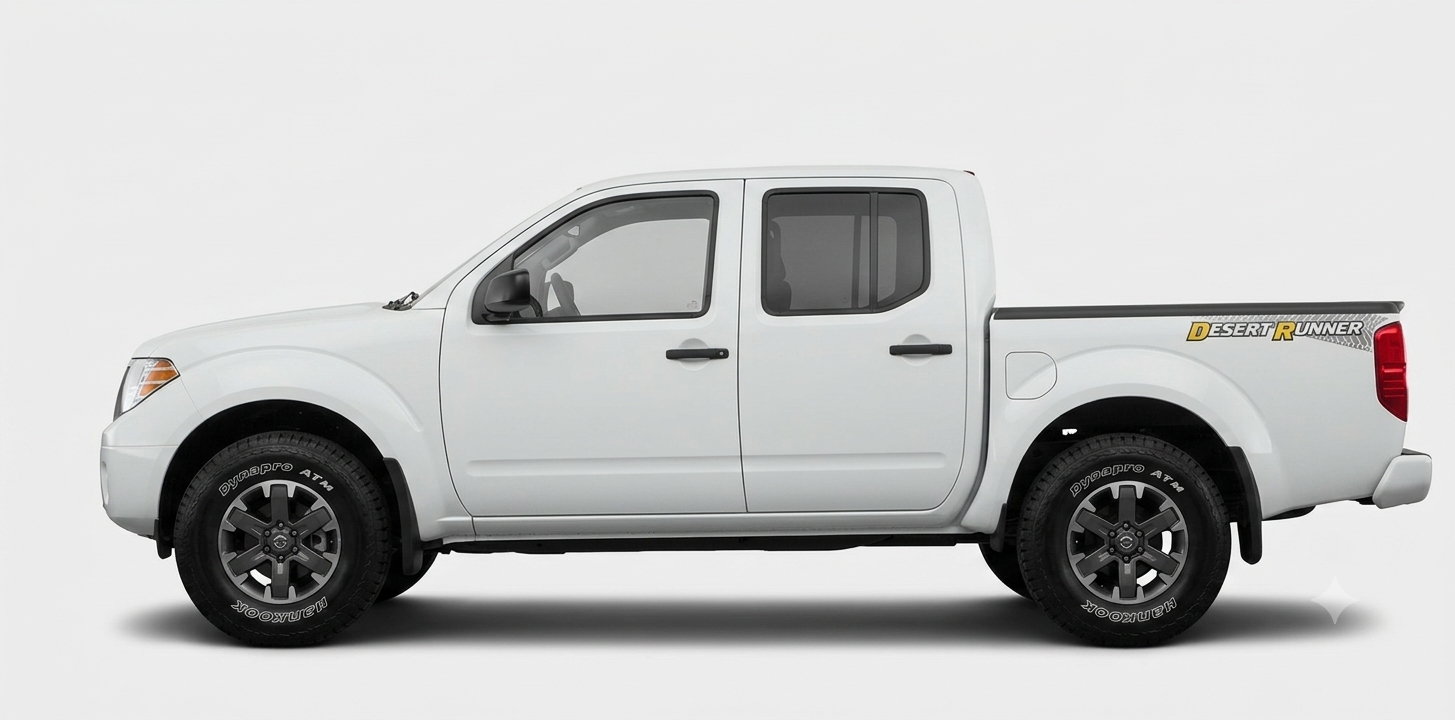
  • 2019 Nissan Frontier: Reliability & Rollaway Recall Facts

    2019 Nissan Frontier: Reliability & Rollaway Recall Facts

    2019 Nissan Frontier Desert Runner Crew Cab
    2019 Nissan Frontier Desert Runner – Proven 4.0L V6 drivetrain, Bilstein shocks, and heavy-duty frame layout.
    Car Mizer Overall Verdict 🟢 GREEN: SOLID BUY / BULLETPROOF TRUCK VALUE

    2019 Nissan Frontier Desert Runner (D40 Platform)

    💵 Target Price: $16,500 – $21,000 🛣️ Sweet Spot Mileage: 40k – 75k miles

    The Bottom Line: As the final year of the classic VQ40DE V6 powertrain, the 2019 Frontier Desert Runner earns a strong Green Rating. Combining Bilstein off-road shocks, aggressive King Cab/Crew Cab styling, and simple 2WD mechanicals, it offers phenomenal midsize truck durability without modern turbocharger or complex electrical failure points.

    🟢 GREEN LIGHTS (Bulletproof Components)
    • 4.0L VQ40DE V6 Engine: Late-model iteration featuring heavy-duty timing chains and refined oil gallery gaskets. Highly proven engine capable of 250,000+ miles with standard maintenance.
    • 5-Speed Automatic Transmission (RE5R05A): Smooth, low-stress transmission setup. By 2019, all radiator/transmission cooler cross-contamination risks from earlier D40 years were completely engineered out.
    • Factory Bilstein Off-Road Shocks: Desert Runner trim comes equipped with heavy-duty Bilstein shocks that hold up exceptionally well to rough roads and moderate payload carrying.
    🟡 YELLOW CAUTIONS (Maintenance Watchouts & Specific Wear Items)
    • Rear Axle Breather Valve Clogging: The OEM axle breather on the rear differential can clog with dirt or rust, building pressure that forces fluid past the rear axle seals into the drum/disc brakes. (Popular $15 modification: install an aftermarket extended breather hose).
    • Camshaft & Crankshaft Position Sensors: Factory sensors can fail over 80k miles, causing extended cranking or sudden engine stalling. Always replace with OEM Hitachi sensors.
    • EVAP Vent Control Valve Failure: Charcoal canister vent valves mounted near the rear spare tire pick up road dust, triggering persistent check engine lights.
    🔴 RED ALERTS (Major Dealbreakers & Severe Corrosion Risks)
    • Frame Rail & Leaf Spring Mount Rust: In northern salt-belt regions, inspect the fully boxed frame rails—particularly around the rear leaf spring shackles and spare tire crossmember—for heavy flaking corrosion.
    • Severe Off-Road Frame Distortion: Check for frame alignment or bed-to-cab gaps if previous owners jumped or heavily abused the Desert Runner setup off-road.
    ⚡ Common OBD-II Trouble Codes to Scan For Pre-Purchase Scan Targets
    P0448 / P0455: EVAP System Vent Control Valve Circuit / Large Leak (Very common stuck open vent valve on the EVAP canister).
    P0335 / P0340: Crankshaft / Camshaft Position Sensor Circuit Fault (Triggers engine shutoff or non-start condition).
    P0171 / P0174: System Too Lean Bank 1 / Bank 2 (Usually cracked rubber air intake duct between the airbox and throttle body).
  • 2025 Toyota Tundra: Engine Recall Facts & 6 Others

    🟡 2025 Toyota Tundra Review: Not Caught in the Engine Bearing Recall, But Six Real Campaigns and a Reputation Crisis Worth Understanding

    Full-Size Truck Teardowns

    2025 Toyota Tundra Limited 4WD (3.4L V35A-FTS Twin-Turbo V6 / 10-Speed Auto)

    A mechanical teardown of Toyota’s full-size half-ton, carefully separating what actually applies to this model year from the V35A engine recall crisis dominating headlines — and covering six genuinely current recalls this generation carries regardless.

    Overall Rating
    🟡 YELLOW LIGHT (Not Caught in the Engine Recall, But Six Other Campaigns Demand Real Diligence)

    Mechanic Score
    6.8 / 10


    Best For: Buyers who want the twin-turbo V6’s power and confirm directly — by VIN, not by brand reputation — that their specific truck sits outside the V35A engine bearing recall’s 2022–2024 population, while still budgeting time to verify the six other recall campaigns that do apply to this model year.

    💵 Pricing & Value Guidance

    Target Price Range
    $52,000 – $62,000

    5-Year Resale Retention (Model-Wide)
    ~89.3%

    Reliability Score
    73/100 (Good, But Trending Down)

    The Carmizer Sweet Spot: The model-wide 89.3% five-year resale figure is genuinely excellent on paper — but that number predates the full weight of the current engine recall crisis hitting the used market. Multiple industry reports now describe real, active trade-in value erosion across the whole Tundra nameplate as buyer confidence wavers, even for trucks like this 2025 model that sit outside the affected engine population. Factor that market-perception risk into your negotiating position, not just the technical recall scope.

    Key Specifications

    Engine
    3.4L V35A-FTS Twin-Turbo V6

    Output
    389 hp / 479 lb-ft (i-FORCE) | 437 hp / 583 lb-ft (i-FORCE MAX Hybrid)

    Transmission
    10-Speed Automatic

    Drivetrain
    4WD w/ Part-Time Transfer Case

    Deep Mechanical Breakdown & Shop Floor Reality

    The V35A twin-turbo V6 is at the center of what’s arguably the most consequential reliability story in Toyota’s recent history — a manufacturing debris defect that can contaminate the number one main bearing, causing engine stall and loss of drive power, with dealers replacing entire engines free of charge where inspection can’t confirm the bearing is unaffected. That recall has expanded three times (May 2024, November 2025, July 2026) and now covers roughly 270,000 vehicles across Tundra and related Lexus models. Here is the critical, carefully verified fact: every documented expansion of that recall has remained bounded to 2022–2024 model year production. The 2025 model year is not named in the engine bearing recall population.

    • V35A Twin-Turbo Architecture: A genuinely powerful, modern engine design — the underlying issue behind the bearing recall traces to manufacturing debris control at specific production periods, not a fundamental design flaw in the engine itself.
    • 2025 Sits Outside the Confirmed Engine Recall Window: All three recall expansions (24V381, 25V767, and the July 2026 expansion) explicitly name 2022–2024 production. This has been independently verified across multiple recall filings rather than assumed from brand reputation.
    • A Real Perception Risk Regardless: Even a truck outside the technical recall population isn’t insulated from the market-wide confidence erosion — resale and trade-in values are reportedly softening across the entire nameplate as the story continues to unfold.

    🔧 Mechanic’s Shop Floor Notes (Serviceability Rating: 6.9/10)

    Owner-Reported Throttle Lag / Drivetrain Shudder: A recurring complaint theme independent of the engine bearing recall — some owners describe a multi-second shudder from a dead stop before the drivetrain fully engages, suspected to be software or torque converter lockup related. Not yet a formal recall, but worth testing for directly.

    Tailgate Latch Glitches: Power tailgate reliability issues reported by owners, sometimes misdiagnosed initially as a tonneau cover conflict before the actual latch hardware is identified and replaced.

    Infotainment Subscription Friction: Built-in navigation reportedly stops functioning after a free trial period without clear upfront disclosure — an owner-experience complaint rather than a mechanical one, but a real source of buyer frustration worth knowing about.

    ⚠️ Factory Recalls, TSBs & Known Bulletins

    1. Reverse Lamp Moisture Intrusion (2022–2025 Tundra, Tundra Hybrid — ~443,000 Units):

    Issue: Moisture intrusion over time can affect both reverse lamps.

    Fix: Free dealer inspection and repair as necessary. Customer notification by mid-July 2025.
    2. 14-Inch Multimedia Display Green/Black Screen (August 2025, MY2022–2025 Tundra/Tundra Hybrid + 2023–2025 Sequoia — ~394,000 Units):

    Issue: Software error can cause the multimedia display to show a half-green, full-green, or full-black screen. If this occurs while reversing, the rearview image won’t display, increasing crash risk.

    Fix: Free dealer software update. Customer notification by late November 2025.
    3. Multimedia Display Stuck/Black Image (January 2026, MY2024–2025 Tundra/Tundra Hybrid — ~162,000 Units):

    Issue: Under certain conditions, the display may become stuck on a camera view or show a black image, meaning the rearview image may not display when reversing.

    Fix: Free Parking Assist ECU software update. Customer notification by late March 2026. This is a distinct campaign from item #2 above — both apply independently.
    4. Load Carrying Capacity Label Error (2024–2025 Tundra, Among Many Toyota/Lexus Models):

    Issue: The load carrying capacity modification label may display inaccurate added weight values, risking overloading and increased crash risk.

    Fix: Free label replacement. Owner letters mailed May 26, 2026.
    5–6. Additional Campaigns on File:

    Note: Independent tracking shows a total of 6 recall campaigns on record for the 2025 Tundra, including a Panoramic View Monitor (PVM) rearview camera software issue. Verify the complete current list directly at NHTSA.gov by VIN.

    Important Disambiguation: The V35A engine bearing/debris recall (24V381, 25V767, and the July 2026 expansion) — the one generating the most headlines — remains scoped to 2022–2024 model year production across every filing we could verify. It does not name the 2025 model year. This is a genuinely important distinction: don’t let engine recall anxiety about this nameplate cause you to either avoid a 2025 truck unnecessarily, or to assume the six recalls listed above don’t matter because “it’s not the engine recall.” Both things are true at once.

    Stoplight Reliability & Watchpoint System

    🟢 GREEN LIGHT (Low Risk Systems)
    • Not Part of the V35A Engine Bearing Recall Population: Verified across all three recall expansions — this model year sits outside the 2022–2024 window.
    • Strong Model-Wide Resale Foundation: 89.3% five-year retention is genuinely excellent for the segment, even accounting for current headwinds.

    🟡 YELLOW LIGHT (Moderate Maintenance Risk)
    • Six Total Recall Campaigns: Above average for a single model year — mostly electronics and labeling, but genuinely numerous.
    • Consumer Reports Predicts Below-Average Reliability: A notably more pessimistic read than the 73/100 “Good” score from other trackers — worth weighing both perspectives rather than picking the more favorable one.
    • Market Confidence Erosion: Real, reported resale and trade-in softening across the nameplate, independent of this specific truck’s clean technical recall status.

    🔴 RED LIGHT (Critical Pre-Purchase Watchpoints)
    • Unconfirmed Reverse Camera and Display Recalls: A rearview image that fails to display is a genuine road-safety issue on a full-size truck with significant blind spots — confirm all three display-related campaigns individually by VIN.
    • Assuming “Not the Engine Recall” Means “No Homework Needed”: This truck’s clean engine recall status doesn’t excuse skipping the other six campaigns — treat each one as its own checklist item.

    OBD-II Diagnostic Targets

    DTC Code / Symptom Circuit / Component Potential Cause Inspection Fix
    Black/Green Display or No Reverse Image 14-Inch Multimedia Display / Parking Assist ECU Directly consistent with two separate display recall populations — do not dismiss as a random software glitch. Confirm both display recall campaigns’ status by VIN before further diagnosis.
    Reverse Lamp Not Functioning Reverse Lamp Circuit Consistent with the moisture intrusion recall population. Confirm reverse lamp recall status; inspect for moisture damage before bulb replacement.
    Drivetrain Shudder From a Stop 10-Speed Automatic / Torque Converter Lockup Owner-reported pattern independent of the engine bearing recall — possibly software or torque converter related. Document the specific symptom and request a dealer diagnostic scan; confirm this is not related to the V35A bearing recall population by checking build date and VIN eligibility.

    💸 Repair & Maintenance Costs

    • Full Synthetic Oil Service: $90 – $140
    • 10-Speed Transmission Fluid Service: $250 – $380
    • Front & Rear Differential Fluid Service: $180 – $280
    • Power Tailgate Latch Replacement (Out of Warranty): $250 – $420

    🔍 Pre-Purchase Checklist

    1. Check the VIN at NHTSA.gov and confirm the V35A engine bearing recall does NOT apply — then separately verify all six other campaigns that do.
    2. Shift into reverse and confirm both the rearview camera image and reverse lamps function correctly.
    3. From a complete stop, accelerate firmly and feel for any multi-second shudder before the drivetrain fully engages.
    4. Test the power tailgate through several full cycles to check for latch hesitation or error messages.
    5. Ask directly whether the built-in navigation subscription status is active or expired, and factor any renewal cost into your offer.

    📌 The Carmizer Bottom Line

    The 2025 Toyota Tundra sits in a genuinely unusual position: verified outside the V35A engine bearing recall that’s dominated headlines and shaken confidence in this nameplate, but carrying six of its own real recall campaigns and a Consumer Reports prediction of below-average reliability that other trackers don’t fully share. This isn’t a truck to buy purely on engine-recall relief, nor one to avoid purely on brand anxiety — it’s one that demands the same VIN-by-VIN diligence we ask of every vehicle on this site. Verify every campaign individually, test for the reported drivetrain shudder directly, and factor the nameplate’s broader resale softening into your negotiating position even though this specific model year’s technical record is cleaner than the headlines suggest.