CarMizer Automotive Intelligence Get Advice →

Author: carmizer

  • 2024 Lexus IS 350 F Sport: Reliability & Tire Wear

    🟢 2024 Lexus IS 350 F Sport Review: Bulletproof Naturally Aspirated V6, Zero Recorded Recalls & Inner Tire Wear Realities

    Luxury Sport Sedan Review

    2024 Lexus IS 350 F Sport (3.5L 2GR-FKS V6 / 8-Speed AA81E or 6-Speed A760H / RWD or AWD)

    A mechanical teardown of one of the most dependable luxury sport sedans on the road — evaluating the naturally aspirated V6, Aisin transmission durability, a clean recall record, and the well-documented inner front tire wear characteristic every owner should plan around.

    Overall Rating
    🟢 GREEN LIGHT (Legendary Powertrain Durability, No Recorded Recalls, One Well-Known Suspension Quirk)

    Mechanic Score
    8.6 / 10


    Best For: Buyers who want European-rival driving dynamics without European-rival electrical and mechanical drama, and who are willing to budget for slightly faster front tire wear or a control arm bushing upgrade in exchange for otherwise bulletproof ownership.

    💵 Pricing & Value Guidance

    Original MSRP (2024 F Sport)
    $46,200 – $50,000

    Target Pre-Owned Range
    $38,000 – $44,000

    Factory Warranty Coverage
    4-Yr / 50k Basic | 6-Yr / 70k Powertrain

    The Carmizer Sweet Spot: The IS 350 F Sport is the value target — you get the naturally aspirated 2GR-FKS V6 (rather than the smaller turbo-four in the base IS 300) with aggressive F Sport styling and adaptive variable suspension, without paying RC F flagship money. RWD models pair with the smoother 8-speed AA81E; AWD models use a 6-speed A760H — factor that difference into your search if transmission gear count matters to you.

    Key Specifications

    Engine
    3.5L 2GR-FKS Naturally Aspirated V6

    Output
    311 hp / 280 lb-ft

    Transmission
    8-Speed AA81E (RWD) / 6-Speed A760H (AWD), Both Aisin-Built

    Chassis & Suspension
    RWD Standard / AWD Optional | F Sport Adaptive Variable Suspension

    Deep Mechanical Breakdown & Shop Floor Reality

    The 2024 Lexus IS 350 F Sport remains one of the most mechanically dependable luxury sport sedans on the road. Avoiding the trend of small-displacement turbos, Lexus equips the IS 350 with the highly revered naturally aspirated 3.5L 2GR-FKS V6, producing 311 horsepower and 280 lb-ft of torque. Power routes through an 8-speed AA81E automatic on RWD models or a 6-speed A760H on AWD variants. With aggressive F Sport styling, dynamic adaptive variable suspension (AVS), and Toyota’s D-4S dual fuel injection system, it offers exceptional bulletproof mechanical longevity — the one real characteristic to plan around is front inner tire wear.

    • 2GR-FKS V6 with D-4S Dual Injection: Legendary durability, with port/direct dual injection that keeps intake valves clean and eliminates the carbon buildup issues common on pure direct-injection engines.
    • Aisin-Built Transmissions: Proven, smooth-shifting torque-converter automatics — extremely reliable when serviced every 50,000–60,000 miles, despite Lexus marketing the fluid as “lifetime.”
    • Front Inner Tire Wear: Excellent handling composure, but soft OEM lower control arm bushings cause inner front tire scrub under hard braking and cornering, leading to premature tire replacement even when static alignment reads within spec.

    🔧 Mechanic’s Shop Floor Notes (Serviceability Rating: 8.4/10)

    • Inner Tire Wear & LCA Bushings: Under hard braking and cornering, the pliable factory rubber lower control arm bushings deflect backward, causing dynamic toe-out that chews through front tire inner shoulders in as little as 12,000–18,000 miles. Swapping to stiffer OEM Lexus RC F/GS F solid rubber bushings, or aftermarket polyurethane bushings (FIGS, RR-Racing), is a popular fix that eliminates the deflection.

    • Aisin Transmission Fluid Service: The “sealed” 8-speed is nearly indestructible, but thermal degradation past 60,000 miles causes shift hesitation and torque converter shudder. There’s no dipstick — proper fluid level requires leveling the vehicle and monitoring fluid temperature via OBD-II scanner during service.

    • D-4S Injector & Oil Cleanliness: High-pressure direct injectors require clean oil to prevent VVT-i phaser and solenoid sticking — stick to the recommended 5,000–7,500-mile interval rather than stretching it.

    📋 Factory Recalls, TSBs & Known Bulletins

    1. No NHTSA Recalls Currently Recorded for the 2024 IS 350:

    Independent trackers confirm zero recorded recalls specific to the 2024 Lexus IS 350 as of this review — a genuinely clean safety record. Always verify by VIN at NHTSA.gov before purchase, since recall status can change.
    2. Not Applicable — Low-Pressure Fuel Pump Recall (2015–2022 Lexus RC, 2016–2020 GS, and 2022 IS Only):

    Note: Lexus issued a fuel pump failure recall covering the RC, GS, and specifically the 2022 model year IS — the 2024 IS 350 covered in this review sits outside that affected population entirely.

    Worth Noting: A clean recall record on a well-established platform like the IS 350 is a genuine reliability signal, not just an absence of news — this generation has been in production long enough that major undiscovered defects are unlikely at this point.

    Stoplight Reliability & Watchpoint System

    🟢 GREEN LIGHT (Low Risk Systems)
    • 2GR-FKS V6 Engine: Legendary durability with D-4S dual injection eliminating the intake valve carbon buildup issues common on pure direct-injection engines.
    • Aisin 8-Speed/6-Speed Transmissions: Proven, smooth-shifting torque-converter units, extremely reliable when serviced on schedule.
    • No Recorded Recalls: Zero NHTSA recalls on file for this specific model year as of this review.

    🟡 YELLOW LIGHT (Moderate Maintenance Risk)
    • Front Inner Tire Wear: Soft factory lower control arm bushings cause dynamic toe-out under load, chewing through inner front tire shoulders in as little as 12,000–18,000 miles.
    • “Lifetime” Transmission Fluid Marketing: Despite the sealed design and lack of dipstick, thermal degradation past 60,000 miles is real — plan for a proper drain-and-fill regardless of what the owner’s manual implies.
    • Chassis Electrical Codes: Low 12V battery voltage can trigger steering assist and VSC alerts that look more serious than they are — check the battery before chasing electronic gremlins.

    🔴 RED LIGHT (Critical Pre-Purchase Watchpoints)
    • Ignoring Inner Tire Cupping: A used IS 350 with badly feathered or cupped inner front tire wear and no bushing upgrade or alignment history is a sign of neglected maintenance, not just cosmetic tire wear — factor a bushing job into your offer.
    • Extended Oil Change Intervals: Stretching past 7,500 miles on a direct-injected engine risks VVT-i solenoid and phaser sticking over time.

    OBD-II Diagnostic Targets

    DTC Code Circuit / Component Potential Cause Inspection Fix
    P0741 Torque Converter Clutch Circuit Performance / Stuck Off Degraded ATF fluid or torque converter lockup solenoid wear. Check fluid condition first; perform proper drain-and-fill with Toyota WS spec fluid before condemning the solenoid.
    P0011 / P0021 Camshaft Position “A” Timing Over-Advanced (Bank 1 / Bank 2) Dirty motor oil clogging VVT-i oil control valves. Check oil condition and change interval history; clean or replace OCV solenoids as needed.
    C1241 Low Battery Positive Voltage (Chassis Code) 12V battery voltage drop triggering steering assist/VSC alerts. Test 12V battery under load before chasing steering or VSC system faults.

    💸 Repair & Maintenance Costs

    • Full Synthetic 0W-20 Oil Service (5-Qt): $32 – $42 (every 5,000–7,500 miles)
    • Aisin Transmission Fluid Drain-and-Fill (Independent Specialist): $250 – $400
    • RC F/GS F LCA Bushing Upgrade + Alignment: $310 – $510 (parts + labor)
    • UHP All-Season Tires (Set of 4, Staggered): $950 – $1,200

    🔍 Pre-Purchase Checklist

    1. Inspect front tire inner shoulders closely for feathering or cupping — a strong sign of unaddressed bushing deflection.
    2. Ask specifically whether the lower control arm bushings have been upgraded, and review alignment history.
    3. Check the VIN at NHTSA.gov to confirm no recalls apply, and review service records for transmission fluid history despite the “lifetime” label.
    4. Test drive and monitor for any shift hesitation or torque converter shudder, especially past 60,000 miles.

    📌 The Carmizer Bottom Line

    The 2024 Lexus IS 350 F Sport is one of the most reliable and trouble-free luxury sport sedans money can buy. By combining a time-tested naturally aspirated V6 with Toyota’s D-4S dual-injection system and a robust Aisin transmission, it completely avoids the costly mechanical failures common in European rivals — and it carries zero recorded NHTSA recalls to boot. Upgrading to stiffer RC F lower control arm bushings early on will save your front tires, and servicing the transmission fluid every 50,000 miles will keep this chassis running effortlessly past 200,000 miles.
  • 2026 Toyota Camry SE: Recalls & Hybrid Reliability

    🟡 2026 Toyota Camry SE Review: Benchmark Hybrid Efficiency vs. a Loose Inverter Bolt Fire Recall and Blank Display Bulletin

    Midsize Sedan Teardowns

    2026 Toyota Camry SE (2.5L A25A-FXS Hybrid / eCVT / FWD or AWD)

    A mechanical teardown of Toyota’s exclusively-hybrid midsize sedan, covering the 5th-generation Hybrid System, D-4S dual injection, real-world fuel economy, and two genuine current-model-year recalls that go beyond routine software bulletins.

    Overall Rating
    🟡 YELLOW LIGHT (Mechanically Excellent Hybrid Platform Undercut by Two Real Recalls, One of Which Is a Genuine Fire Risk)

    Mechanic Score
    7.4 / 10


    Best For: Buyers who want a genuinely bulletproof hybrid drivetrain — planetary-gear eCVT, D-4S dual injection — and who confirm both the inverter bolt recall and the combination meter display recall are completed by VIN before treating the car as fully sorted.

    Key Specifications

    Engine & Hybrid System
    2.5L A25A-FXS I4 + Toyota Hybrid System 5 (THS 5)

    Output & Efficiency
    225 hp FWD / 232 hp AWD | 47+ MPG Combined

    Transmission
    Electronic Continuously Variable Transmission (eCVT), Planetary Gearset

    Drivetrain & Display
    FWD Standard / AWD Optional | 7-Inch Combination Meter (SE/LE/Nightshade)

    Deep Mechanical Breakdown & Shop Floor Reality

    The 2026 Camry SE continues into the current generation as an exclusively hybrid midsize sedan. Combining sporty exterior cues — a front mesh grille, 18-inch black alloy wheels, sport-tuned suspension — the SE pairs a 2.5L four-cylinder engine (A25A-FXS) with Toyota’s 5th-generation Hybrid System (THS 5) and an Electronic Continuously Variable Transmission. Generating 225 horsepower on FWD models (232 hp on AWD trims), the powertrain delivers outstanding real-world fuel economy exceeding 47 MPG. The core mechanical package is genuinely excellent; the concerns here sit almost entirely with electronics and manufacturing quality control, not the powertrain’s fundamental engineering.

    • Planetary-Gear eCVT: No belts, no cones, no clutch packs to wear out — this design avoids the failure points of traditional CVTs entirely, paired with D-4S port/direct dual injection to prevent valve carbon buildup.
    • High-Voltage Battery & Inverter Loop: Proven bipolar Nickel-Metal Hydride/Lithium-ion battery technology backed by a dedicated liquid-cooling loop for the inverter and high-voltage electronics.
    • D-4S Dual Fuel Injection: Combining direct and port injectors, port injection keeps carbon off the intake valves during light-load driving — but short winter trips can leave condensation in the intake tract, occasionally causing rough cold starts.

    🔧 Mechanic’s Shop Floor Notes (Serviceability Rating: 7.4/10)

    • Inverter Cooling Maintenance: The high-voltage inverter relies on an independent electric water pump and dedicated coolant loop, separate from engine cooling. Neglecting fluid services can lead to inverter thermal throttling — not catastrophic, but it will noticeably blunt performance and efficiency.

    • Combination Meter Software: Software update handled free at Toyota dealers, but unlike some recent OTA fixes, this one requires a physical dealer appointment to reprogram the display module rather than an over-the-air update.

    • Hybrid Battery Air Intake Screen: Inspect and clean the intake filter screen under the rear seat every 15,000 miles to prevent traction battery overheating — a simple, cheap habit that protects an expensive component.

    📋 Factory Recalls, TSBs & Known Bulletins

    1. Loose Hybrid Inverter Bolt — Loss of Power & Fire Risk (2025–2026 Camry Hybrid, ~51,600 Units):

    Issue: A bolt inside the hybrid powertrain inverter can come loose, potentially causing a loss of motive power — including at highway speed — and a fire risk. This was Toyota’s first safety recall for the 2026 Camry, issued before the display recall below.

    Fix: Free repair; Toyota expected to notify customers by mid-February 2026 once the remedy procedure was finalized. This is the more serious of the two recalls covered here and should be verified first.
    2. Combination Meter Blank at Startup (NHTSA Campaign 26V-511, Toyota #26TA16/26TB16 — 2025–2026 Camry Hybrid, ~508,000 Units):

    Issue: A software error can cause the 7-inch combination meter display to remain blank at startup, which can also disable turn signals, hazard lights, and warning chimes including seat belt and smart key reminders. Applies specifically to the LE, SE, and Nightshade trims with the smaller 7-inch display — XLE and XSE trims use a 12.3-inch display and are not affected. Since this review covers the SE, it applies directly here.

    Fix: Free dealer-installed software update to the combination meter, requiring a physical dealer visit rather than an OTA fix. Notification letters were expected to begin mailing September 21, 2026.
    3. Front Brake Pad Squeal (Technical Service Bulletin):

    Issue: OEM front brake pad friction material resonance under light application can cause a squeal noise — a comfort issue, not a safety one.

    Fix: Dealer TSB brake pad shim or pad compound update.

    Worth Noting: Two distinct, current-model-year recalls exist on this generation Camry — don’t assume clearing one means the car is fully sorted. Confirm each independently by VIN at NHTSA.gov, since they were filed separately and address unrelated systems (the inverter fire risk is a powertrain hardware issue; the display blank-out is a software issue).

    Stoplight Reliability & Watchpoint System

    🟢 GREEN LIGHT (Low Risk Systems)
    • Planetary-Gear eCVT: No belts or cones to wear out, avoiding the failure points that plague traditional CVT designs entirely.
    • D-4S Dual Injection: Port injection actively protects against the intake valve carbon buildup that afflicts pure direct-injection engines.
    • Proven Hybrid Battery Technology: Bipolar NiMH/Li-ion architecture backed by a dedicated liquid-cooling loop, with a long production track record.

    🟡 YELLOW LIGHT (Moderate Maintenance Risk)
    • Cold-Start Misfires: Short winter trips can leave intake tract condensation, occasionally triggering rough cold starts on the D-4S system.
    • Inverter Coolant Loop: A separate maintenance item from engine coolant — neglect leads to thermal throttling, not immediate failure, but it’s an easy service to forget.
    • Front Brake Squeal: A known, cosmetic-only comfort issue addressed by TSB.

    🔴 RED LIGHT (Critical Pre-Purchase Watchpoints)
    • Unconfirmed Inverter Bolt Recall: A loose inverter bolt causing loss of drive power at highway speed, with an associated fire risk, is a serious safety issue — confirm this specific recall is completed before driving the car at all, let alone buying it.
    • Unconfirmed Combination Meter Recall: A blank display that also disables turn signals and hazard lights is a genuine road-safety issue for a car with this many units affected — verify completion by VIN, not just that “recalls were done.”

    OBD-II Diagnostic Targets

    DTC Code Circuit / Component Potential Cause Inspection Fix
    P0A93 Inverter Cooling System Performance Low coolant level or electric water pump failure in the hybrid cooling circuit — also worth cross-checking for the inverter bolt recall given the shared component. Check inverter coolant level and electric water pump operation; confirm inverter bolt recall status before further diagnosis.
    U0155 Lost Communication With Instrument Panel Cluster (IPC) Control Module Primary code linked to the blank combination meter recall condition. Verify combination meter software recall has been applied before further diagnosis.
    P0300 / P0172 Random Misfire / System Too Rich (Bank 1) Cold-start intake moisture accumulation or a direct injector sticking open slightly. Inspect for cold-start pattern specifically; check injector operation if misfires occur across a range of temperatures.

    💸 Repair & Maintenance Costs

    • Full Synthetic 0W-16 Oil Service (5-Qt): $32 – $42 (every 5,000–7,500 miles)
    • OEM Oil Filter Element: $7 – $11
    • Inverter Coolant Flush (Toyota SLLC, Out-of-Warranty): $180 – $280
    • Front Brake Pads (Ceramic Aftermarket): $45 – $70

    🔍 Pre-Purchase Checklist

    1. Check the VIN at NHTSA.gov specifically for the hybrid inverter bolt recall (fire/power-loss risk) — confirm this one first given its severity.
    2. Separately verify the combination meter display recall (26V-511) has been completed, not just scheduled.
    3. Start the car cold and confirm the display illuminates properly and turn signals function normally.
    4. Inspect and clean the hybrid battery air intake screen under the rear seat if service records don’t show recent attention to it.
    5. Test drive on a cool morning if possible to check for cold-start roughness tied to intake condensation.

    📌 The Carmizer Bottom Line

    The 2026 Toyota Camry SE remains one of the most mechanically sound daily commuters on the market — its planetary-gear eCVT avoids the belt-and-pulley failure points of traditional CVTs, and its D-4S dual-injection engine protects against direct-injection carbon headaches. What holds this back from a clean Green Light is two real, current-model-year recalls: a loose hybrid inverter bolt carrying a genuine fire and power-loss risk, and a widely-reported combination meter software fault that can blank the display and disable turn signals. Neither is a fundamental design flaw, and both are free fixes — but verify each independently by VIN before treating any 2026 Camry SE as fully sorted. Do that, keep the hybrid battery intake screen clean, and this sedan will easily cross the 200,000-to-300,000-mile mark.

  • 2025 Nissan Sentra: Two Recalls & Why CVT Maintenance Matters

    🟡 2025 Nissan Sentra SV Review: Two Narrow Recalls. Real CVT Maintenance Discipline Required.

    Compact Sedan Teardowns

    2025 Nissan Sentra SV (2.0L MR20DD / Xtronic CVT)

    Real commuter efficiency. Two narrow-scope recalls worth a two-minute VIN check. A CVT that demands real fluid discipline.

    Overall Rating
    🟡 YELLOW LIGHT (Efficient Commuter, Real CVT Discipline Needed)

    Mechanic Score
    6.7 / 10

    Serviceability
    6.9 / 10


    Best For: Buyers who want genuine highway efficiency. Willing to check two narrow-scope recalls by VIN. Willing to keep CVT fluid changes strictly on schedule.

    💵 Pricing & Value Guidance

    Output
    149 hp / 146 lb-ft

    Highway MPG
    Up to 40 MPG

    Recall Scope
    Both Narrow, Confirm by VIN

    The Carmizer Sweet Spot: The SV trim adds real value over base. Alloy wheels, an 8-inch touchscreen, adaptive cruise. Genuine highway efficiency at up to 40 MPG. Both known recalls affect a small fraction of total production. Still worth checking your specific VIN.

    Key Specifications

    Engine
    2.0L MR20DD Direct Injection I4

    Transmission
    Xtronic Continuously Variable Transmission (CVT)

    SV Trim Features
    16″ Alloys, 8″ NissanConnect, Intelligent Cruise Control

    Recall Count
    Two Confirmed, Both Narrow-Scope

    Deep Mechanical Breakdown

    The Engine: Simple, Proven, Needs Occasional Attention

    The MR20DD is naturally aspirated. No turbo complexity. Timing chain durability is solid. Direct injection means carbon buildup past 60,000 miles. Budget for occasional intake cleaning.

    The CVT: The Real Watchpoint on This Car

    Genuinely impressive fuel economy. Real vulnerability to fluid breakdown. Heat cycles degrade CVT fluid faster than a conventional automatic. Strict 30,000-mile fluid changes aren’t optional here.

    • MR20DD 2.0L Engine: Naturally aspirated. Solid timing chain life. Needs periodic carbon cleaning past 60k miles.
    • Xtronic CVT: Excellent MPG. Real fluid discipline required. Push-belt shudder possible without maintenance.
    • SV Trim Tech: A genuine value step up. Adaptive cruise and a real touchscreen at a fair price.

    🔧 Mechanic’s Shop Floor Notes

    • The Driveshaft Recall Is Narrow, But Serious: Only 946 units total. Built across a three-day window in September 2025. If your Sentra falls outside that window, this recall doesn’t apply. If it does, the failure mode is real. Power loss. Rollaway risk in Park. Confirm by VIN regardless of how unlikely it sounds.

    • The Windshield Recall Affects Even Fewer Cars Than Advertised: 41,797 units were recalled as a precaution, but Nissan’s own filing estimates only about 2.2% — roughly 920 cars — actually have visible air bubbles. Still a free fix if you’re affected. Still worth a quick VIN check.

    • CVT Fluid Discipline Matters More Than the Recalls: Neither recall is the real long-term risk on this car. Stretched CVT fluid intervals are. Treat the 30,000-mile change as mandatory, not optional.

    📋 Factory Recalls, TSBs & Known Bulletins

    1. Front Left Driveshaft Not Fully Seated (NHTSA Campaign 26V410 / Nissan PMA68):

    Issue: A production tooling error at supplier GKN Automotive’s Mexican subsidiary. The front left driveshaft may not be fully seated in the CVT assembly. Can cause transmission fluid leaks, unexpected loss of drive power, or rollaway after shifting into Park.

    Scope: Only 946 vehicles. Built September 11-13, 2025, at the Aguascalientes II plant.

    Fix: Dealer inspects the driveshaft. If unseated, both the driveshaft and full CVT assembly are replaced. Up to 10.5 hours labor. Free of charge.
    2. Windshield Air Bubbles (NHTSA Campaign 25V807 / Nissan PMA58):

    Issue: A supplier production issue allowed air bubbles to form in the windshield’s laminate layer. Can obscure driver visibility.

    Scope: 41,797 units covered, built July 5 through October 17, 2025. Nissan’s own estimate: only about 2.2% of that population, roughly 920 cars, actually show the defect.

    Fix: Dealer inspects the windshield. Replaces it if bubbles are found. Free of charge.

    Worth Noting: Both recalls are real. Both affect a small fraction of total 2025 Sentra production. Neither should scare you off this car outright. Both are worth a two-minute VIN check before you buy.

    Stoplight Reliability & Watchpoint System

    🟢 GREEN LIGHT (Low Risk Systems)
    • MR20DD Timing Chain: Solid, proven durability across this engine family.
    • SV Trim Value: Real feature step-up. A genuinely good value proposition.

    🟡 YELLOW LIGHT (Inspect Before Buying)
    • Driveshaft Recall Status: Confirm by VIN, even though only 946 units are affected.
    • Windshield Recall Status: Confirm by VIN. Low actual defect rate, still worth checking.
    • Direct Injection Carbon Buildup: Expect intake cleaning past 60,000 miles.
    • CVT Fluid Service History: Request records. Missing records are a real concern on this car.

    🔴 RED LIGHT (Critical Pre-Purchase Watchpoints)
    • Neglected CVT Fluid Changes: Skipping 30,000-mile intervals risks valve body damage and belt shudder. A genuinely costly repair if ignored long enough.
    • Unconfirmed Driveshaft Recall on an Affected VIN: If your specific VIN falls in the recall window, do not delay the inspection. The failure mode includes rollaway risk.

    OBD-II Diagnostic Targets

    DTC Code Component Cause Fix
    P0746 CVT Pressure Control Solenoid Internal valve body line pressure drop. Check fluid condition first. May indicate neglected fluid changes.
    P17F0 CVT Belt Slip Push-belt slippage on pulley faces. Inspect fluid and belt condition before further diagnosis.
    P0101 Mass Air Flow Sensor PCV oil film coating the sensor wire. Clean the MAF sensor before replacing it outright.

    💸 Repair & Maintenance Costs

    • Full Synthetic Oil Service: $28 – $38
    • CVT Fluid Drain & Fill: $150 – $220 (Every 30,000 Miles)
    • GDI Intake Valve Cleaning: $350 – $500
    • Out-of-Warranty Valve Body Repair: $950 – $1,400

    🔍 Pre-Purchase Checklist

    1. Check the VIN at NHTSA.gov for both the driveshaft and windshield recalls.
    2. Request CVT fluid service records. Treat missing records as a real concern.
    3. Test drive under steady acceleration. Listen for belt shudder or hesitation.
    4. Inspect the windshield closely for any visible air bubbles in the laminate.
    5. Ask about any prior intake cleaning service on higher-mileage examples.

    📌 The Carmizer Bottom Line

    The 2025 Nissan Sentra SV earns a Yellow Light. Genuine highway efficiency. Real feature value at the SV trim. Two confirmed recalls exist, but both affect a small fraction of total production. Check your specific VIN regardless. The real long-term risk isn’t either recall. It’s neglected CVT fluid changes. Keep that maintenance strict, confirm both recalls by VIN, and this remains a genuinely solid efficient commuter.

  • 2021 Dodge Challenger Scat Pack Review: Real Muscle. One Engine Defect Worth Knowing.

    🟡 2021 Dodge Challenger Scat Pack Review: Real Muscle. One Engine Defect Worth Knowing.

    Muscle Car Teardowns

    2021 Dodge Challenger R/T Scat Pack (6.4L 392 HEMI V8)

    Real naturally aspirated horsepower. A genuine “HEMI tick” pattern worth checking before you buy. Here’s the full picture.

    Overall Rating
    🟡 YELLOW LIGHT (Real Performance, Real Engine Watchpoint)

    Mechanic Score
    7.0 / 10

    Serviceability
    7.4 / 10


    Best For: Buyers who want real V8 muscle at a fair price. Willing to check for the HEMI tick before buying. Willing to confirm the windshield bonding recall was completed.

    💵 Pricing & Value Guidance

    Target Price
    $36,000 – $43,500

    Sweet Spot Mileage
    15k – 35k Miles

    Output
    485 hp / 475 lb-ft

    The Carmizer Sweet Spot: Naturally aspirated V8 muscle at an accessible price. Brembo brakes and launch control standard on Scat Pack trims. A genuine enthusiast cruiser. Just don’t skip the pre-purchase engine check below.

    Key Specifications

    Engine
    6.4L (392) Apache HEMI V8

    Transmission
    TorqueFlite 8HP70 8-Speed Auto or TREMEC TR-6060 6-Speed Manual

    Brakes
    Standard 4-Piston Brembo (6-Piston on Dynamics Package)

    Curb Weight
    ~4,200 lbs

    Deep Mechanical Breakdown

    The Engine: Real Power, One Real Weakness

    The 6.4L 392 HEMI is a genuine iron-block muscle engine. It delivers 485 hp with a classic exhaust note. It’s proven high-mileage stamina exists, but only with strict oil discipline.

    The Transmission: Two Strong Options

    The ZF-derived 8HP70 shifts fast. It handles high torque with ease. Manual buyers get the well-regarded TREMEC TR-6060. Both are genuinely solid units.

    • 6.4L Apache HEMI V8: Naturally aspirated. No turbo complexity. Real muscle-car character.
    • 8HP70 Automatic: Fast shifts. Relaxed highway cruising. Handles the torque well.
    • Brembo Brakes: Strong stopping power for the car’s weight. A genuine strength.

    🔧 Mechanic’s Shop Floor Notes

    • The “HEMI Tick” Is Real, Not Forum Noise: Roller lifters can seize. A seized lifter wipes out camshaft lobes. Repair costs range from $2,500 for an early catch to $12,000 for a full engine replacement. This isn’t rare enough to ignore.

    • No Formal Recall Exists for This: Despite the pattern, this hasn’t risen to a NHTSA recall for the 6.4L specifically. Some warranty replacements happen case by case. Don’t expect an automatic fix.

    • Extended Idling Makes It Worse: Long idle periods starve top-end needle bearings of oil. Avoid excessive idling. Keep oil changes strictly on schedule.

    📋 Factory Recalls, TSBs & Known Bulletins

    1. Windshield Bonding Defect (NHTSA Recall #21V516000):

    Issue: Covers 2020–2021 Challenger, Charger, and Chrysler 300. The windshield may not have been properly bonded during manufacturing. It could detach in a crash.

    Fix: Dealers remove and replace the windshield urethane sealant. Free of charge.

    Action: Verify by VIN. This applies directly to a 2021 model.
    2. Safety Indicator Visibility (NHTSA Recall #21V664000):

    Issue: Certain 2021 Challengers don’t illuminate safety system status indicators brightly enough in daylight or at night.

    Fix: Free dealer correction. Minor, but worth confirming by VIN.
    3. Not Applicable to This Model Year:

    The well-known cruise-control-won’t-disengage recall (18V332/18E053) covers 2015–2018 Challengers only. The Takata airbag recalls cover 2008–2013 Challengers only. Neither applies to a 2021 model. Worth knowing since both show up constantly in generic “Challenger recall” searches.

    Worth Noting: The real diligence item on this car isn’t a recall. It’s the HEMI lifter pattern. Treat it with the same seriousness as a recall, even though it isn’t one.

    Stoplight Reliability & Watchpoint System

    🟢 GREEN LIGHT (Low Risk Systems)
    • 8HP70 Automatic: Fast, reliable, well-regarded across the industry.
    • TREMEC TR-6060 Manual: A genuinely bulletproof gearbox.
    • Brembo Brake System: Strong, proven stopping power.

    🟡 YELLOW LIGHT (Inspect Before Buying)
    • Active Exhaust Valve Rattles: Can stick in cold weather. Throws exhaust codes.
    • Rapid Rear Tire Wear: Factory tires are undersized for the power. Expect frequent replacement.
    • Uconnect Screen Delamination: UV and heat can cause phantom touch inputs over time.
    • Windshield Bonding Recall: Verify completion by VIN before buying.

    🔴 RED LIGHT (Critical Pre-Purchase Watchpoints)
    • Unconfirmed HEMI Tick: Listen carefully at warm idle. A metallic tapping sound means walk away or renegotiate hard.
    • Signs of Launch Control Abuse: Check rear differential bushings, driveshaft couplers, and axle seals before buying.

    OBD-II Diagnostic Targets

    DTC Code Component Cause Fix
    P0300–P0308 Cylinder Misfire Can indicate a wiped camshaft lobe or failed lifter. Treat as a serious warning. Inspect immediately.
    P1217 / P121B Active Exhaust Valve Stuck actuator or spring binding. Inspect exhaust valve actuators before replacing parts.
    P0520 / P0522 Oil Pressure Sensor Common failing sensor unit. Not the engine itself. Replace the sensor. Confirm actual oil pressure separately.

    💸 Repair & Maintenance Costs

    • Full Synthetic Oil Service: $80 – $110
    • Lifter Replacement (Early Catch): $2,500 – $4,000
    • Full Engine Replacement (Worst Case): $7,000 – $12,000
    • Rear Tire Replacement (Pair): $350 – $600

    🔍 Pre-Purchase Checklist

    1. Listen closely at warm idle for any metallic tapping.
    2. Check the VIN for the windshield bonding recall.
    3. Inspect rear differential bushings and driveshaft couplers.
    4. Ask about oil change history and idle habits.
    5. Test the Uconnect screen for any phantom or unresponsive touch points.

    📌 The Carmizer Bottom Line

    The 2021 Challenger Scat Pack earns a Yellow Light. The 6.4L HEMI delivers real, honest muscle-car power. The transmission options are both genuinely strong. But the HEMI tick is a real, well-documented pattern with no formal recall to catch it. Listen at idle before you buy. Confirm the windshield recall by VIN. Do both, and this remains one of the best naturally aspirated performance bargains on the used market.

  • 2019 Nissan Frontier: Reliability & Rollaway Recall Facts

    2019 Nissan Frontier: Reliability & Rollaway Recall Facts

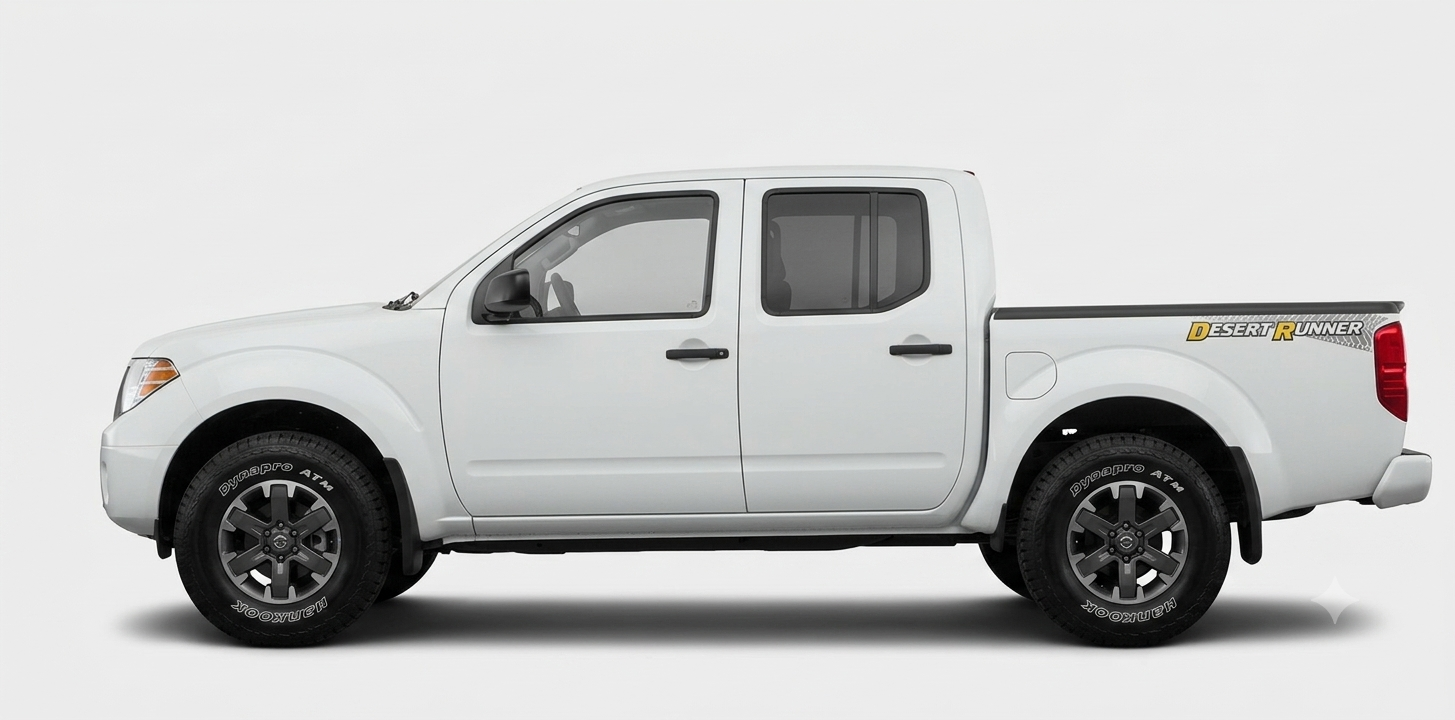
    2019 Nissan Frontier Desert Runner Crew Cab
    2019 Nissan Frontier Desert Runner – Proven 4.0L V6 drivetrain, Bilstein shocks, and heavy-duty frame layout.
    Car Mizer Overall Verdict 🟢 GREEN: SOLID BUY / BULLETPROOF TRUCK VALUE

    2019 Nissan Frontier Desert Runner (D40 Platform)

    💵 Target Price: $16,500 – $21,000 🛣️ Sweet Spot Mileage: 40k – 75k miles

    The Bottom Line: As the final year of the classic VQ40DE V6 powertrain, the 2019 Frontier Desert Runner earns a strong Green Rating. Combining Bilstein off-road shocks, aggressive King Cab/Crew Cab styling, and simple 2WD mechanicals, it offers phenomenal midsize truck durability without modern turbocharger or complex electrical failure points.

    🟢 GREEN LIGHTS (Bulletproof Components)
    • 4.0L VQ40DE V6 Engine: Late-model iteration featuring heavy-duty timing chains and refined oil gallery gaskets. Highly proven engine capable of 250,000+ miles with standard maintenance.
    • 5-Speed Automatic Transmission (RE5R05A): Smooth, low-stress transmission setup. By 2019, all radiator/transmission cooler cross-contamination risks from earlier D40 years were completely engineered out.
    • Factory Bilstein Off-Road Shocks: Desert Runner trim comes equipped with heavy-duty Bilstein shocks that hold up exceptionally well to rough roads and moderate payload carrying.
    🟡 YELLOW CAUTIONS (Maintenance Watchouts & Specific Wear Items)
    • Rear Axle Breather Valve Clogging: The OEM axle breather on the rear differential can clog with dirt or rust, building pressure that forces fluid past the rear axle seals into the drum/disc brakes. (Popular $15 modification: install an aftermarket extended breather hose).
    • Camshaft & Crankshaft Position Sensors: Factory sensors can fail over 80k miles, causing extended cranking or sudden engine stalling. Always replace with OEM Hitachi sensors.
    • EVAP Vent Control Valve Failure: Charcoal canister vent valves mounted near the rear spare tire pick up road dust, triggering persistent check engine lights.
    🔴 RED ALERTS (Major Dealbreakers & Severe Corrosion Risks)
    • Frame Rail & Leaf Spring Mount Rust: In northern salt-belt regions, inspect the fully boxed frame rails—particularly around the rear leaf spring shackles and spare tire crossmember—for heavy flaking corrosion.
    • Severe Off-Road Frame Distortion: Check for frame alignment or bed-to-cab gaps if previous owners jumped or heavily abused the Desert Runner setup off-road.
    ⚡ Common OBD-II Trouble Codes to Scan For Pre-Purchase Scan Targets
    P0448 / P0455: EVAP System Vent Control Valve Circuit / Large Leak (Very common stuck open vent valve on the EVAP canister).
    P0335 / P0340: Crankshaft / Camshaft Position Sensor Circuit Fault (Triggers engine shutoff or non-start condition).
    P0171 / P0174: System Too Lean Bank 1 / Bank 2 (Usually cracked rubber air intake duct between the airbox and throttle body).
  • 2025 Toyota Tundra: Engine Recall Facts & 6 Others

    🟡 2025 Toyota Tundra Review: Not Caught in the Engine Bearing Recall, But Six Real Campaigns and a Reputation Crisis Worth Understanding

    Full-Size Truck Teardowns

    2025 Toyota Tundra Limited 4WD (3.4L V35A-FTS Twin-Turbo V6 / 10-Speed Auto)

    A mechanical teardown of Toyota’s full-size half-ton, carefully separating what actually applies to this model year from the V35A engine recall crisis dominating headlines — and covering six genuinely current recalls this generation carries regardless.

    Overall Rating
    🟡 YELLOW LIGHT (Not Caught in the Engine Recall, But Six Other Campaigns Demand Real Diligence)

    Mechanic Score
    6.8 / 10


    Best For: Buyers who want the twin-turbo V6’s power and confirm directly — by VIN, not by brand reputation — that their specific truck sits outside the V35A engine bearing recall’s 2022–2024 population, while still budgeting time to verify the six other recall campaigns that do apply to this model year.

    💵 Pricing & Value Guidance

    Target Price Range
    $52,000 – $62,000

    5-Year Resale Retention (Model-Wide)
    ~89.3%

    Reliability Score
    73/100 (Good, But Trending Down)

    The Carmizer Sweet Spot: The model-wide 89.3% five-year resale figure is genuinely excellent on paper — but that number predates the full weight of the current engine recall crisis hitting the used market. Multiple industry reports now describe real, active trade-in value erosion across the whole Tundra nameplate as buyer confidence wavers, even for trucks like this 2025 model that sit outside the affected engine population. Factor that market-perception risk into your negotiating position, not just the technical recall scope.

    Key Specifications

    Engine
    3.4L V35A-FTS Twin-Turbo V6

    Output
    389 hp / 479 lb-ft (i-FORCE) | 437 hp / 583 lb-ft (i-FORCE MAX Hybrid)

    Transmission
    10-Speed Automatic

    Drivetrain
    4WD w/ Part-Time Transfer Case

    Deep Mechanical Breakdown & Shop Floor Reality

    The V35A twin-turbo V6 is at the center of what’s arguably the most consequential reliability story in Toyota’s recent history — a manufacturing debris defect that can contaminate the number one main bearing, causing engine stall and loss of drive power, with dealers replacing entire engines free of charge where inspection can’t confirm the bearing is unaffected. That recall has expanded three times (May 2024, November 2025, July 2026) and now covers roughly 270,000 vehicles across Tundra and related Lexus models. Here is the critical, carefully verified fact: every documented expansion of that recall has remained bounded to 2022–2024 model year production. The 2025 model year is not named in the engine bearing recall population.

    • V35A Twin-Turbo Architecture: A genuinely powerful, modern engine design — the underlying issue behind the bearing recall traces to manufacturing debris control at specific production periods, not a fundamental design flaw in the engine itself.
    • 2025 Sits Outside the Confirmed Engine Recall Window: All three recall expansions (24V381, 25V767, and the July 2026 expansion) explicitly name 2022–2024 production. This has been independently verified across multiple recall filings rather than assumed from brand reputation.
    • A Real Perception Risk Regardless: Even a truck outside the technical recall population isn’t insulated from the market-wide confidence erosion — resale and trade-in values are reportedly softening across the entire nameplate as the story continues to unfold.

    🔧 Mechanic’s Shop Floor Notes (Serviceability Rating: 6.9/10)

    • Owner-Reported Throttle Lag / Drivetrain Shudder: A recurring complaint theme independent of the engine bearing recall — some owners describe a multi-second shudder from a dead stop before the drivetrain fully engages, suspected to be software or torque converter lockup related. Not yet a formal recall, but worth testing for directly.

    • Tailgate Latch Glitches: Power tailgate reliability issues reported by owners, sometimes misdiagnosed initially as a tonneau cover conflict before the actual latch hardware is identified and replaced.

    • Infotainment Subscription Friction: Built-in navigation reportedly stops functioning after a free trial period without clear upfront disclosure — an owner-experience complaint rather than a mechanical one, but a real source of buyer frustration worth knowing about.

    ⚠️ Factory Recalls, TSBs & Known Bulletins

    1. Reverse Lamp Moisture Intrusion (2022–2025 Tundra, Tundra Hybrid — ~443,000 Units):

    Issue: Moisture intrusion over time can affect both reverse lamps.

    Fix: Free dealer inspection and repair as necessary. Customer notification by mid-July 2025.
    2. 14-Inch Multimedia Display Green/Black Screen (August 2025, MY2022–2025 Tundra/Tundra Hybrid + 2023–2025 Sequoia — ~394,000 Units):

    Issue: Software error can cause the multimedia display to show a half-green, full-green, or full-black screen. If this occurs while reversing, the rearview image won’t display, increasing crash risk.

    Fix: Free dealer software update. Customer notification by late November 2025.
    3. Multimedia Display Stuck/Black Image (January 2026, MY2024–2025 Tundra/Tundra Hybrid — ~162,000 Units):

    Issue: Under certain conditions, the display may become stuck on a camera view or show a black image, meaning the rearview image may not display when reversing.

    Fix: Free Parking Assist ECU software update. Customer notification by late March 2026. This is a distinct campaign from item #2 above — both apply independently.
    4. Load Carrying Capacity Label Error (2024–2025 Tundra, Among Many Toyota/Lexus Models):

    Issue: The load carrying capacity modification label may display inaccurate added weight values, risking overloading and increased crash risk.

    Fix: Free label replacement. Owner letters mailed May 26, 2026.
    5–6. Additional Campaigns on File:

    Note: Independent tracking shows a total of 6 recall campaigns on record for the 2025 Tundra, including a Panoramic View Monitor (PVM) rearview camera software issue. Verify the complete current list directly at NHTSA.gov by VIN.

    Important Disambiguation: The V35A engine bearing/debris recall (24V381, 25V767, and the July 2026 expansion) — the one generating the most headlines — remains scoped to 2022–2024 model year production across every filing we could verify. It does not name the 2025 model year. This is a genuinely important distinction: don’t let engine recall anxiety about this nameplate cause you to either avoid a 2025 truck unnecessarily, or to assume the six recalls listed above don’t matter because “it’s not the engine recall.” Both things are true at once.

    Stoplight Reliability & Watchpoint System

    🟢 GREEN LIGHT (Low Risk Systems)
    • Not Part of the V35A Engine Bearing Recall Population: Verified across all three recall expansions — this model year sits outside the 2022–2024 window.
    • Strong Model-Wide Resale Foundation: 89.3% five-year retention is genuinely excellent for the segment, even accounting for current headwinds.

    🟡 YELLOW LIGHT (Moderate Maintenance Risk)
    • Six Total Recall Campaigns: Above average for a single model year — mostly electronics and labeling, but genuinely numerous.
    • Consumer Reports Predicts Below-Average Reliability: A notably more pessimistic read than the 73/100 “Good” score from other trackers — worth weighing both perspectives rather than picking the more favorable one.
    • Market Confidence Erosion: Real, reported resale and trade-in softening across the nameplate, independent of this specific truck’s clean technical recall status.

    🔴 RED LIGHT (Critical Pre-Purchase Watchpoints)
    • Unconfirmed Reverse Camera and Display Recalls: A rearview image that fails to display is a genuine road-safety issue on a full-size truck with significant blind spots — confirm all three display-related campaigns individually by VIN.
    • Assuming “Not the Engine Recall” Means “No Homework Needed”: This truck’s clean engine recall status doesn’t excuse skipping the other six campaigns — treat each one as its own checklist item.

    OBD-II Diagnostic Targets

    DTC Code / Symptom Circuit / Component Potential Cause Inspection Fix
    Black/Green Display or No Reverse Image 14-Inch Multimedia Display / Parking Assist ECU Directly consistent with two separate display recall populations — do not dismiss as a random software glitch. Confirm both display recall campaigns’ status by VIN before further diagnosis.
    Reverse Lamp Not Functioning Reverse Lamp Circuit Consistent with the moisture intrusion recall population. Confirm reverse lamp recall status; inspect for moisture damage before bulb replacement.
    Drivetrain Shudder From a Stop 10-Speed Automatic / Torque Converter Lockup Owner-reported pattern independent of the engine bearing recall — possibly software or torque converter related. Document the specific symptom and request a dealer diagnostic scan; confirm this is not related to the V35A bearing recall population by checking build date and VIN eligibility.

    💸 Repair & Maintenance Costs

    • Full Synthetic Oil Service: $90 – $140
    • 10-Speed Transmission Fluid Service: $250 – $380
    • Front & Rear Differential Fluid Service: $180 – $280
    • Power Tailgate Latch Replacement (Out of Warranty): $250 – $420

    🔍 Pre-Purchase Checklist

    1. Check the VIN at NHTSA.gov and confirm the V35A engine bearing recall does NOT apply — then separately verify all six other campaigns that do.
    2. Shift into reverse and confirm both the rearview camera image and reverse lamps function correctly.
    3. From a complete stop, accelerate firmly and feel for any multi-second shudder before the drivetrain fully engages.
    4. Test the power tailgate through several full cycles to check for latch hesitation or error messages.
    5. Ask directly whether the built-in navigation subscription status is active or expired, and factor any renewal cost into your offer.

    📌 The Carmizer Bottom Line

    The 2025 Toyota Tundra sits in a genuinely unusual position: verified outside the V35A engine bearing recall that’s dominated headlines and shaken confidence in this nameplate, but carrying six of its own real recall campaigns and a Consumer Reports prediction of below-average reliability that other trackers don’t fully share. This isn’t a truck to buy purely on engine-recall relief, nor one to avoid purely on brand anxiety — it’s one that demands the same VIN-by-VIN diligence we ask of every vehicle on this site. Verify every campaign individually, test for the reported drivetrain shudder directly, and factor the nameplate’s broader resale softening into your negotiating position even though this specific model year’s technical record is cleaner than the headlines suggest.

  • 2023 Lexus GX 460: Reliability & GX550 Recall Confusion

    Car Mizer Overall Verdict🟢 GREEN: SOLID BUY / FINAL YEAR OF THE BULLETPROOF NA V8 LAND CRUISER PRADO

    2023 Lexus GX 460 Premium (4.6L 1UR-FE V8 – J150 Platform)

    💵 Target Price: $46,000 – $54,500 🛣️ Sweet Spot Mileage: 15k – 35k miles

    The Bottom Line: The 2023 Lexus GX 460 Premium earns an top-tier Green Rating. Representing the final model year of the V8-powered J150 generation, it combines legendary Toyota Land Cruiser Prado durability with modern 10.3-inch touchscreen tech. Its 301-hp 4.6L V8 and 6-speed automatic transmission are practically indestructible, offering true body-on-frame 4WD capability and exceptional long-term resale value.

    🟢 GREEN LIGHTS (Bulletproof Components)

    • 4.6L 1UR-FE V8 & Aisin 6-Speed Automatic: Naturally aspirated 301 hp / 329 lb-ft engine paired with a heavy-duty 6-speed torque-converter automatic transmission. Built in Toyota’s flagship Yoshiwara plant with a proven 300,000+ mile track record.
    • Land Cruiser Prado J150 Full Frame & Full-Time 4WD: Features a rugged full perimeter frame, 6,500 lb tow capacity, and full-time 4WD with a Torsen limited-slip locking center differential and 2-speed low-range transfer case.
    • Updated Tech Suite (2022+ Refresh): Clean 10.3-inch touchscreen infotainment display eliminates older Lexus mouse-controller headaches, offering standard Apple CarPlay, Android Auto, and Lexus Safety System+.

    🟡 YELLOW CAUTIONS (Maintenance Watchouts & Mechanical Wear)

    • Heavy Fuel Consumption (15–16 MPG Combined): Thirsty naturally aspirated V8 paired with full-time 4WD requires premium 91+ octane fuel for optimal timing and power.
    • Side-Hinging Rear Tailgate Door: The barn-style rear door hinges to the right, which can be awkward to open when parallel parked or towing a trailer.
    • Secondary Air Injection Pump Wear (High Mileage): Over extended mileage (100k+ miles), the secondary air injection pump/check valves can stick due to moisture buildup, requiring valve replacement or bypass kit installation.

    🔴 RED ALERTS (Major Dealbreakers & High-Cost Items)

    • Valley Plate Coolant Leak (UR-Engine Watchout): A known 1UR-FE/3UR-FE issue where the factory sealant under the intake manifold valley plate degrades, causing slow coolant leaks. Inspect rear of engine block for pink crusty coolant residue ($1,000–$1,500 repair).

    ⚡ Common OBD-II Diagnostic Fault Codes (CAN Bus)Modern CAN-Bus Diagnostic Protocol

    P2440 / P2442: Secondary Air Injection System Switching Valve Stuck Open (Bank 1 / Bank 2) (The primary indicator of air pump moisture corrosion or valve sticking).

    P0128: Coolant Thermostat Below Regulating Temperature (Triggered when the mechanical thermostat fails to close fully, delaying engine warm-up).

    C1201: Engine Control System Malfunction (Generic ABS/VSC code triggered in tandem with any Check Engine Light to disable traction control safety features).

  • 2025 Nissan Pathfinder: No More CVT & Brake Recall

    Car Mizer Overall Verdict🟢 GREEN: SOLID BUY / NO CVT HEADACHES & EXCELLENT TOWING

    2025 Nissan Pathfinder (3.5L VQ35DD V6 – FWD/Intelligent 4WD)

    💵 Target Price: $33,500 – $43,000 🛣️ Sweet Spot Mileage: 10k – 25k miles

    The Bottom Line: The 2025 Nissan Pathfinder earns a solid Green Rating. Built on a heavily refined chassis, it completely eliminated Nissan’s previous CVT transmission troubles by adopting a robust 9-speed automatic transmission. Combined with the time-tested 3.5L V6, 6,000 lb towing capability, standard Nissan Safety Shield 360, and EZ FLEX 2nd-row seating, it is one of the most practical three-row family haulers available.

    🟢 GREEN LIGHTS (Bulletproof Components)

    • 9-Speed Automatic Gearbox (No CVT): Abandoned the problematic Xtronic CVT in favor of a geared ZF 9-speed automatic, improving shifting response, highway fuel economy, and long-term drivetrain endurance.
    • Proven 3.5L VQ35DD V6 Engine: Naturally aspirated 284 hp / 259 lb-ft (295 hp on Rock Creek) utilizes direct injection and timing chains rather than rubber belts, offering low maintenance demands.
    • Class-Leading Towing & EZ FLEX Seating: Offers a generous 6,000 lb maximum towing capacity (when equipped) and one-touch pitch/slide 2nd-row seats that operate easily even with a child safety seat installed.

    🟡 YELLOW CAUTIONS (Maintenance Watchouts & Mechanical Wear)

    • 9-Speed Shift Adaptation & Software Updates: The 9-speed automatic can exhibit slight low-speed shift hesitation (2nd to 3rd gear) if the transmission control module (TCM) adaptive learning software hasn’t been flashed with the latest dealer calibrations.
    • Intake Valve Carbon Buildup (Direct Injection): As a pure direct-injection (DIG) V6 without port fuel injectors, running top-tier fuel and performing intake tract carbon cleaning around 60k miles keeps throttle response crisp.
    • Electronic Gear Selector Learning Curve: The shift-by-wire electronic monostable shifter takes some adjustment compared to a traditional mechanical console gear lever.

    🔴 RED ALERTS (Major Dealbreakers & High-Cost Items)

    • No Major Powertrain Failure Patterns: The 2025 Pathfinder R53 platform has shown clean reliability statistics with zero widespread powertrain or structural dealbreakers on record. Always verify clean title history and regular oil service records.

    ⚡ Common OBD-II Diagnostic Fault Codes (CAN Bus)Modern CAN-Bus Diagnostic Protocol

    P0300 / P0301: Cylinder Misfire Detected (Typically caused by a failing ignition coil pack, fouled direct-injection spark plug, or heavy intake valve carbon accumulation).

    P0700: Transmission Control System Request (Generic TCM code signaling the main ECM to turn on the Check Engine Light for a transmission sensor or shift solenoid fault).

    U0100: Lost Communication With ECM/PCM (Modern CAN-bus network code triggered when 12V battery terminal voltage drops below operational thresholds during starting).

  • 2023 BMW 330i B48: Recalls & Reliability Guide

    Car Mizer Overall Verdict🟢 GREEN: SOLID BUY / LCI TECH REFRESH & BULLETPROOF B48

    2023 BMW 3 Series 330i / 330i xDrive (G20 LCI – 2.0L B48 Turbo)

    💵 Target Price: $28,000 – $34,500 🛣️ Sweet Spot Mileage: 20k – 45k miles

    The Bottom Line: The 2023 BMW 330i (LCI) earns a top-tier Green Rating. The 2023 mid-cycle refresh introduced a sleek exterior facelift and the massive BMW Curved Display with iDrive 8. Mechanically, it relies on the proven 2.0L B48 turbo engine and ZF 8-speed automatic, offering incredible reliability, sharp handling, and class-leading fuel economy (up to 36 MPG highway).

    🟢 GREEN LIGHTS (Bulletproof Components)

    • B48 2.0L Turbo & ZF 8-Speed Automatic: Closed-deck aluminum 2.0L engine (255 hp / 295 lb-ft) paired with the ultra-smooth ZF 8HP transmission delivers exceptional long-term mechanical durability and quick shifting.
    • iDrive 8 Curved Display Architecture: Seamless dual-screen layout combining a 12.3-inch gauge cluster and 14.9-inch center touchscreen with standard wireless Apple CarPlay and Android Auto.
    • Refined LCI Styling & Lighting: Redesigned slimmer LED headlights, updated front/rear bumpers, and clean interior trim updates give the 2023 model a much more modern presence.

    🟡 YELLOW CAUTIONS (Maintenance Watchouts & Mechanical Wear)

    • Climate Control Moved to Touchscreen: Physical HVAC buttons were removed for 2023; temperature and fan speeds are now controlled via lower touchscreen menus or voice commands.
    • Coolant Return Line & Thermostat Valves: The plastic expansion tank hose and electronic heat management module can become brittle at higher mileages (75k+ miles); inspect cooling lines regularly.
    • Minimalist Toggle Gear Selector: Replaced the traditional mechanical gear lever with a small console toggle switch, which requires a brief adaptation period for muscle memory.

    🔴 RED ALERTS (Major Dealbreakers & High-Cost Items)

    • No Major Powertrain Failure Patterns: The 2023 330i maintains an immaculate track record for drivetrain durability. Always verify strict 5,000 to 7,500-mile synthetic oil change history and avoid heavily modified/tuned cars without documented maintenance.

    ⚡ Common OBD-II Diagnostic Fault Codes (CAN Bus)BMW ISTA / CAN-Bus Diagnostic Protocol

    P0128 / 1D2404: Map Controlled Thermostat Circuit / Temp Low (Triggers if the electronic heat management module or thermostat sticks open).

    P0300 / 120408: Misfire Detected / Charging Pressure Control Shutdown (Triggers when worn spark plugs, failing ignition coil, or boost leak causes safety boost deactivation).

    U11E9: Lost Communication With Active Air Flap Control (Triggers if road debris jams the lower front active kidney grille shutter mechanism).

  • 2024 Toyota Camry: Last Year Reliability Review

    🟢 2024 Toyota Camry Review: Peak XV70 Refinement, the Last Year of the V6, and One Recall Worth Knowing About

    Midsize Sedan Teardowns

    2024 Toyota Camry (2.5L Dynamic Force / 3.5L V6 / 2.5L Hybrid, FWD or AWD)

    A mechanical teardown of the final model year of the 8th-generation XV70 Camry — the last chance to buy the naturally aspirated V6 and pure gas engines before Toyota went hybrid-only, backed by a genuinely clean recall record with one item worth verifying.

    Overall Rating
    🟢 GREEN LIGHT (Peak XV70 Generation Refinement — One Minor Safety Recall Worth Verifying)

    Mechanic Score
    8.5 / 10

    Serviceability
    8.3 / 10


    Best For: Buyers who want the last gas-only or V6-powered Camry ever built, backed by one of the most genuinely clean recall records we’ve covered — one minor safety item to verify by VIN, and no engine or transmission failure pattern on record at all.

    💵 Pricing & Value Guidance

    Target Price
    $20,500 – $28,500

    Sweet Spot Mileage
    15k – 40k Miles

    Powertrain Options
    Last Year: 2.5L I4, 3.5L V6, or 2.5L Hybrid

    The Carmizer Sweet Spot: This is the final model year of the 8th-generation XV70 Camry before Toyota eliminated gas-only and V6 powertrains entirely for the 2025 redesign. That makes it the last chance to buy the 301-hp 2GR-FKS V6 or a pure gas 4-cylinder Camry, ever. A mature, well-sorted platform after years of production refinement — buy this generation for maximum powertrain choice and manufacturing maturity.

    Key Specifications

    Engine (Standard)
    2.5L Dynamic Force I4

    Engine (Optional)
    3.5L 2GR-FKS V6 — 301 hp (TRD/XSE/XLE) or 2.5L Hybrid

    Transmission
    8-Speed Direct Shift Automatic (UB80E) or eCVT (Hybrid)

    Driver Assist
    Standard Toyota Safety Sense 2.5+ (TSS 2.5+)

    Deep Mechanical Breakdown & Shop Floor Reality

    The 8th-generation XV70 Camry launched for 2018, meaning a 2024 example sits on a genuinely mature, well-sorted platform in its final year of production before a full redesign. Every powertrain offered here — the 2.5L Dynamic Force 4-cylinder, the 3.5L 2GR-FKS V6, and the 2.5L hybrid — uses Toyota’s D-4S dual injection system, combining direct and port injection to actively resist the intake valve carbon buildup that plagues pure direct-injection engines. This is the last model year to offer all three; the 2025 redesign goes hybrid-only across the board.

    • D-4S Dual Injection (All Powertrains): Port and direct injection combined naturally cleans intake valves, pairing strong fuel efficiency with a long track record of 200,000+ mile reliability.
    • 3.5L 2GR-FKS V6 (Final Year): A genuinely desirable, silky-smooth 301-hp engine with strong resale value — this is the last Camry model year it’s available in.
    • Electric Coolant Control Valve (2.5L Dynamic Force): Replaces the traditional mechanical thermostat with an electronic rotary valve. Reliable in normal operation, but failure triggers a dashboard warning and requires full valve assembly replacement rather than a simple thermostat swap.

    🔧 Mechanic’s Shop Floor Notes

    • Genuinely Clean, Not Just “No News”: This generation shows zero widespread catastrophic engine or transmission failure patterns on record — a real distinction from the all-new 2025 redesign’s rocky launch history covered in our separate 2025 Camry review.

    • 8-Speed (UB80E) Shift Logic: Geared heavily toward fuel economy. Low-speed gear hunting or a reluctant 2-1 downshift can occur without periodic ECU software recalibrations — a calibration quirk, not a mechanical defect.

    • Sport Suspension Ride (SE/XSE/TRD): Noticeably firmer over sharp, potholed roads than the comfort-tuned LE and XLE. Worth a real test drive on rough pavement before committing to a sport trim.

    📋 Factory Recalls, TSBs & Known Bulletins

    1. Second-Row Head Restraint Bracket Weld (2023–2024 Camry & Camry Hybrid, Owner Letters Mailed April 2024):

    Issue: The second-row center and right-side seats may have insufficiently welded head restraint brackets, which may not properly restrain an occupant during a crash — a Federal Motor Vehicle Safety Standard 202 compliance issue.

    Fix: Dealers replace the affected 60% rear seat-back frame sub-assembly, free of charge.

    Note: This is the one recall applicable to a 2024 model — verify by VIN. It’s a real safety item but doesn’t rise to the fire, drivetrain-failure, engine-failure, brake-failure, or steering/suspension-detachment threshold that would disqualify a Green rating on its own.
    2. Not Applicable to 2024 Models — Worth Knowing About Anyway:

    A separate, more serious wheel detachment recall (NHTSA campaign 23V432000) affected 2023 Camry and Camry Hybrid units built on a single production day (April 18, 2023), traced to a third-party contractor under-torquing lug nuts during a wheel replacement process at a vehicle processing facility. This recall carried a “do not drive” advisory and is a genuinely serious item — but it does not apply to 2024 production. Mentioned here for context if you’re cross-shopping a 2023 example instead.

    Worth Noting: This is one of the cleanest recall pictures we’ve covered on this site. One minor, resolvable safety item is a genuinely good outcome for a mature, high-volume nameplate in its final production year — don’t let the presence of any recall make this look worse than it is.

    Stoplight Reliability & Watchpoint System

    🟢 GREEN LIGHT (Low Risk Systems)
    • D-4S Dual Injection, All Powertrains: Proven carbon-buildup protection with a genuine 200,000+ mile track record.
    • 3.5L 2GR-FKS V6: Smooth, powerful, and the last year it’s available in a Camry.
    • Zero Engine or Transmission Failure Patterns: No widespread catastrophic mechanical defect on record for this generation.

    🟡 YELLOW LIGHT (Inspect Before Buying)
    • Head Restraint Bracket Recall: Verify by VIN that this has been completed, especially on a used example with an incomplete service history.
    • 8-Speed Shift Hunting: A software calibration quirk, not a mechanical fault — a dealer ECU update typically resolves it.
    • Electric Coolant Control Valve: Watch for a dashboard coolant warning; failure requires full valve assembly replacement, not a simple thermostat swap.

    🔴 RED LIGHT (Critical Pre-Purchase Watchpoints)
    • No Structural or Engine Dealbreakers on Record: This generation has no fire, drivetrain-failure, engine-failure, brake-failure, or steering/suspension-detachment pattern. Standard due diligence still applies — always pull a vehicle history report to rule out flood damage or severe prior accident repair, regardless of how clean the recall record is.

    OBD-II Diagnostic Targets

    DTC Code / Symptom Circuit / Component Potential Cause Inspection Fix
    P2B60 Engine Coolant Control Valve Position Performance (2.5L) Failure or sticking of the electronic coolant control valve. Inspect valve assembly directly; replacement is required, not a thermostat swap.
    P0171 System Too Lean (Bank 1) Loose gas cap, dirty mass air flow sensor, or a small vacuum tear in the intake tube. Check the simplest causes first before deeper diagnosis.
    U0100 Lost Communication With ECM/PCM Low auxiliary 12V battery terminal voltage during cold starts. Check battery terminal condition and voltage before suspecting the ECM itself.

    💸 Repair & Maintenance Costs

    • Full Synthetic Oil Service: $65 – $95
    • Electric Coolant Control Valve Replacement: $350 – $550
    • 8-Speed ECU Adaptive Reset (Dealer): $0 – $150 (Often Covered Under Warranty)
    • Front Brake Pads (Ceramic Aftermarket): $45 – $70

    🔍 Pre-Purchase Checklist

    1. Check the VIN at NHTSA.gov to confirm the head restraint bracket recall shows completed, not just eligible.
    2. Pull a full vehicle history report to rule out flood damage or severe prior accident repair.
    3. Test drive through low-speed stop-and-go conditions to check for 8-speed gear hunting.
    4. If shopping the V6, confirm smooth throttle response and listen for any unusual noise under hard acceleration.
    5. If shopping a sport-tuned SE/XSE/TRD trim, test drive on rough pavement before committing to the firmer ride.

    📌 The Carmizer Bottom Line

    The 2024 Camry earns a genuine Green Light as the peak of the 8th-generation XV70’s manufacturing maturity — the last model year to offer the 301-hp V6 or a pure gas engine before Toyota’s hybrid-only redesign. One minor safety recall (a head restraint bracket weld issue) is worth verifying by VIN, but it’s a straightforward, free dealer fix rather than a real dealbreaker. Compared to the rocky launch of the all-new 2025 redesign, this final XV70 model year represents the safer, more proven buy for anyone prioritizing a settled, well-understood platform over the newest hybrid technology.